When families think about autumn fall risks, they usually picture wet leaves on the front steps or the first icy morning. Those dangers are real. But for many older adults, the most serious fall of the season happens indoors — in a dim hallway, on a new holiday rug, or on the way to the bathroom in the middle of the night.
As the days get shorter and routines move inside, the home itself changes in small ways that raise the risk of falling. This guide walks through the seasonal hazards that tend to hide indoors and the simple steps that improve home safety for seniors before winter arrives.
AmeriBest Home Care has supported families in Philadelphia, Harrisburg, Pittsburgh, and Allentown since 2008. Our non-medical caregivers help older adults stay safe, steady, and comfortable at home through every season.
Key Takeaways
- Falls are the leading cause of injury for adults over 65, and autumn brings several new risk factors indoors.
- Earlier darkness and dim lighting make it harder to spot trip hazards, especially in the late afternoon and evening.
- Seasonal decorations, extra rugs, space heaters, cords, and wet entryways create hazards that weren’t there in summer.
- The end of daylight saving time can disrupt sleep and lead to more nighttime trips in the dark.
- Spending more time indoors can weaken muscles and balance if activity drops.
- A quick autumn walk-through of the home can remove many of the most common hazards.
Why Falls Rise in Autumn
According to the CDC, about one in four adults age 65 and older falls each year, and falls are the leading cause of injury in this age group. Many falls in the home happen during ordinary activities, like walking to the kitchen, carrying laundry, or getting out of bed.
Autumn layers new challenges onto those everyday risks. Daylight fades earlier, the house fills with seasonal décor and heavier bedding, rain and tracked-in leaves make floors slick, and cooler weather keeps people inside and less active. Each change seems minor on its own. Together, they can turn a familiar home into a riskier one.
Some research has even linked shorter days with higher fall rates among older adults — one more reason to check the home now rather than after a fall.
Shorter Days and Dim Indoor Lighting
As we age, the eyes need more light to see clearly and take longer to adjust when moving from a bright room into a darker one. In autumn, the house gets dark earlier in the afternoon, and many older adults are still moving around in fading light — cooking dinner, carrying laundry, or heading upstairs.
Shadows can hide the edge of a step, a pet, or a dropped item on the floor. Turning lamps on before dusk rather than after, using brighter bulbs in hallways and stairwells, and making sure there is a light switch or lamp within reach of every doorway all help. Plug-in night lights for elderly family members — in the bedroom, hallway, and bathroom — are among the simplest and most effective changes a family can make.
Seasonal Hazards Hiding Inside the Home
Common home hazards for elderly adults change with the seasons. Many autumn hazards are easy to overlook because they feel cozy and familiar rather than dangerous.
Rugs, Décor, and Holiday Clutter
Fall wreaths, pumpkins, baskets, and decorative throw rugs make a home feel warm, but they often end up in walkways. A doormat that curls at the corner, a basket by the stairs, or furniture rearranged for holiday guests can catch a foot that’s used to a clear path.
Keep decorations on tables and shelves rather than on the floor, secure rugs with non-slip backing or remove them, and keep at least one clear, wide path through every room. When guests are coming, store coats, bags, and shoes away from the main walkways so clutter doesn’t build up.
Space Heaters, Cords, and Extra Blankets
As temperatures drop, space heaters, electric blankets, and extension cords come out of storage. Cords stretched across a floor are a classic tripping hazard, and heaters placed near a walkway can cause both falls and burns. Fire safety experts recommend keeping heaters at least three feet from anything that can burn and plugging them directly into a wall outlet rather than an extension cord.
Heavier blankets and comforters can also drape onto the floor beside the bed, where they can tangle feet during a nighttime trip. Tucking bedding in and keeping the floor beside the bed clear reduces that risk.
Wet Floors From Rain and Tracked-In Leaves
Autumn rain, wet leaves, and muddy shoes can leave entryways and kitchen floors slippery. Older adults wearing socks or loose slippers are especially likely to lose their footing on a damp surface.
Place an absorbent, rubber-backed mat both outside and inside each entry door, wipe up puddles right away, and encourage well-fitting slippers or indoor shoes with non-slip soles instead of socks alone.
The Clock Change and Nighttime Trips
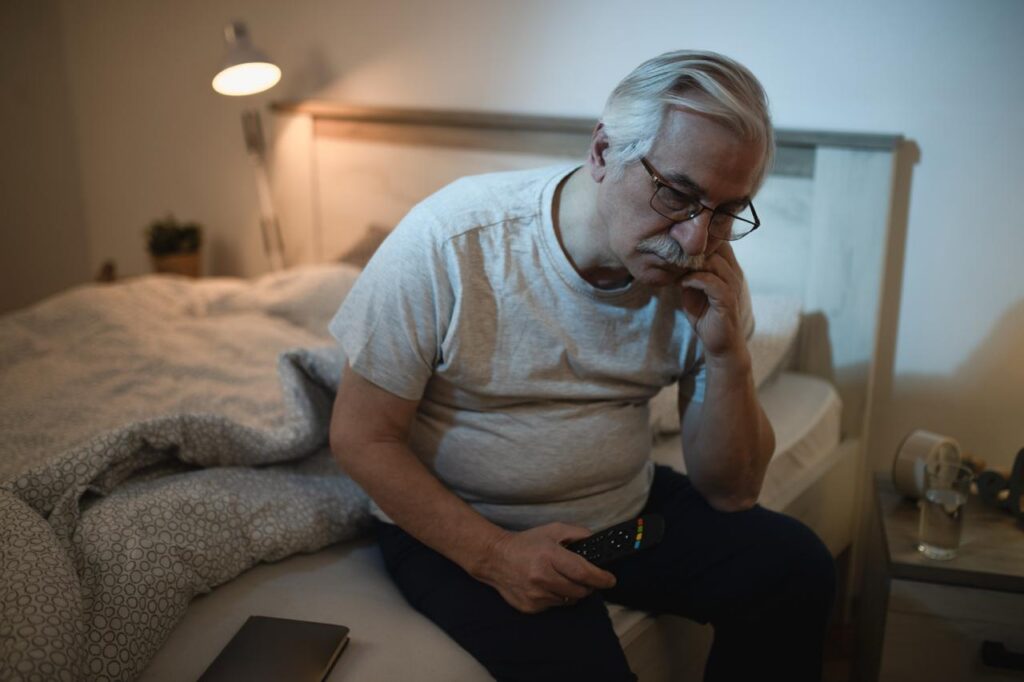
Daylight saving time ends on the first Sunday of November. The extra hour sounds harmless, but the shift can throw off sleep routines for a week or more. When sleep is disrupted, many older adults wake more often during the night — and nighttime trips to the bathroom are one of the most common moments for a fall.
Getting up quickly after lying down can also cause dizziness, which makes those trips riskier. A few habits help: sit on the edge of the bed for a moment before standing, keep a lamp or touch light within reach, and use motion-activated nightlights along the path from the bed to the bathroom. Keeping glasses, a phone, and any walking aid next to the bed means no one has to search for them in the dark.
Less Activity, Weaker Muscles
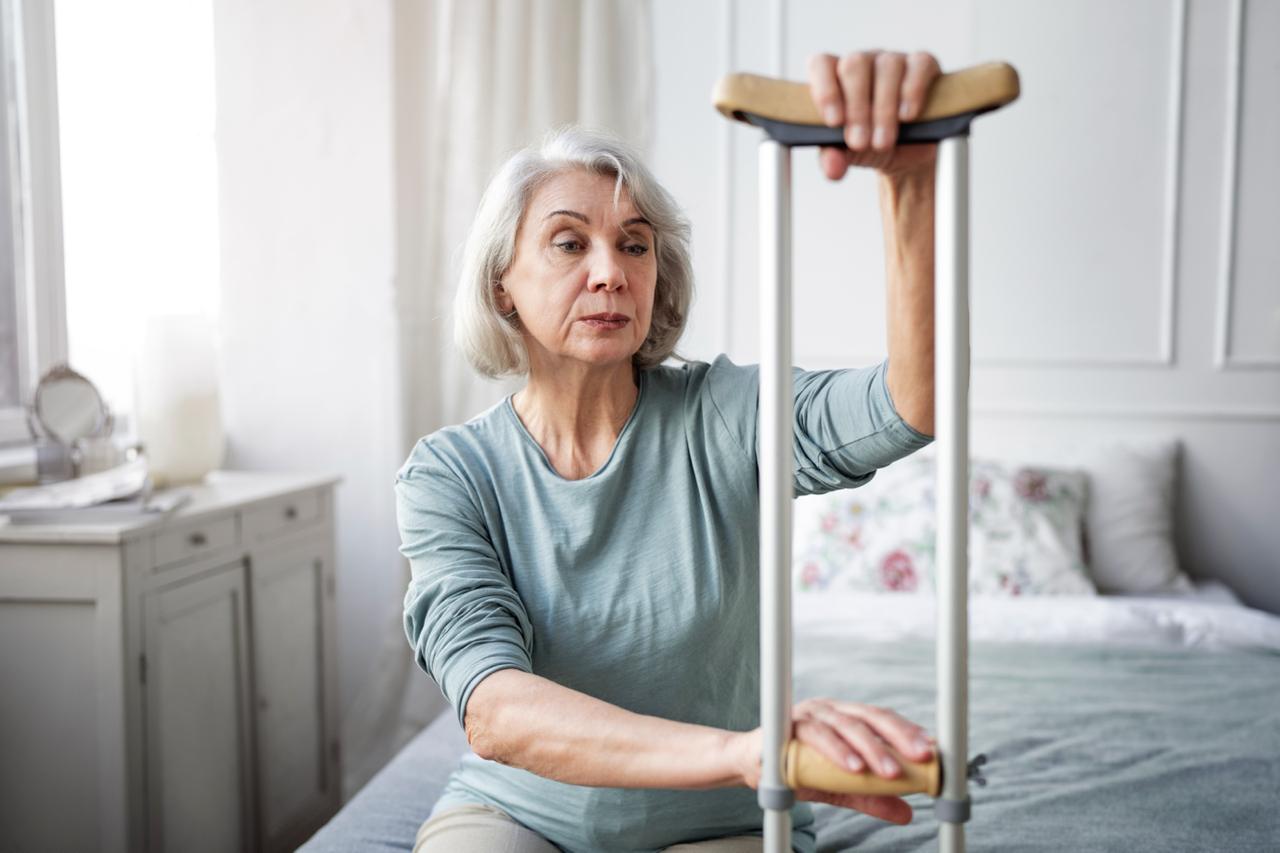
Cooler, darker days naturally pull people indoors. For older adults, that often means less walking, fewer errands, and more time sitting. Over several weeks, inactivity can weaken leg muscles and affect balance — the very strength a person relies on to catch themselves after a stumble.
Staying active indoors helps. Gentle walking laps around the house, standing up from a sturdy chair several times in a row, and simple balance practice while holding a kitchen counter can keep muscles engaged. Our guide to fall prevention for seniors at home covers balance exercises and other everyday strategies in more detail.
Hydration plays a role too. People tend to drink less water in cooler weather, and even mild dehydration can contribute to dizziness and fatigue. Keeping a glass of water within easy reach throughout the day is a small habit with real benefits.
An Autumn Indoor Safety Checklist
A seasonal walk-through of the home takes less than an hour and can catch many common hazards. Use these autumn safety tips for seniors as a starting point:
- Lighting — Replace dim or burned-out bulbs and add nightlights in the bedroom, hallway, and bathroom.
- Stairs — Confirm handrails are secure on both sides and steps are clear of décor and clutter.
- Rugs and mats — Remove loose throw rugs or secure them with non-slip backing.
- Cords — Route electrical and heater cords along walls, never across walkways.
- Heaters — Keep space heaters out of walkways and at least three feet from bedding, curtains, and furniture.
- Entryways — Place absorbent mats inside and out, with a spot to remove wet shoes.
- Bathroom — Check grab bars and non-slip mats in the tub or shower.
- Bedside — Keep a lamp, phone, glasses, and walking aid within reach of the bed.
Repeating this quick check before the holidays and again in mid-winter helps catch new hazards as the season changes.
Signs a Loved One’s Fall Risk Is Increasing
Families often notice small changes before a fall happens. Paying attention to them can prompt a conversation and a few adjustments before an injury occurs. Watch for:
- Holding onto furniture or walls while walking through the house
- Shuffling, walking more slowly, or seeming unsteady when turning
- Mentioning dizziness, especially when standing up
- Unexplained bruises or stories about “almost falling”
- Avoiding the stairs or certain rooms
- Bumping into objects in low light
If you notice these signs, let your loved one’s doctor know. Dizziness, balance changes, and new unsteadiness can have many causes, including medication side effects, and a healthcare provider can help identify them.
How a Home Care Aide Supports a Safer Season
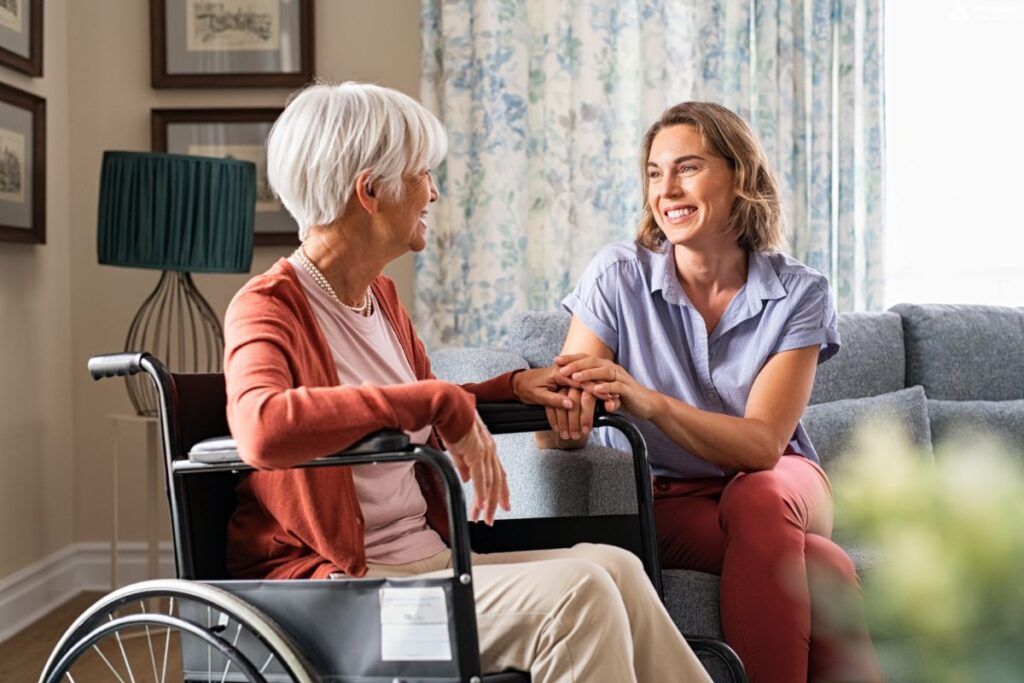
Many falls happen when an older adult is managing tasks alone — carrying laundry down the stairs, reaching for a decoration on a high shelf, or moving around the house after dark. A non-medical home care aide adds a steady extra set of hands during the parts of the day when risk is highest.
AmeriBest caregivers can help keep walkways clear and the home tidy, assist with seasonal tasks like changing bedding and putting away décor, provide standby support during bathing and moving around the house, and offer companionship that keeps your loved one active and engaged. Our assistance at home is built around each person’s routine, so support arrives when it’s needed most. With nearly 3,000 caregivers on our team, we’ve supported Pennsylvania families in the communities we serve since 2008.
Call us today at 1-800-HOMECARE — we’re here to help. You can also email us at info@ameribest.org, or fill out a few quick questions on our contact page to get started.
AI Summary
Falls are the leading cause of injury for adults 65 and older, and autumn adds several indoor risk factors. Shorter days and dim lighting make hazards harder to see, while seasonal decorations, throw rugs, space heaters, extension cords, heavy blankets, and wet entryways create new tripping and slipping risks. The end of daylight saving time can disrupt sleep and increase nighttime bathroom trips, a common time for falls, and spending more time indoors can weaken muscles and balance. Families can improve home safety for seniors by adding nightlights, turning lamps on before dusk, securing or removing rugs, routing cords along walls, keeping heaters three feet from anything flammable, using absorbent mats, checking handrails and grab bars, and encouraging gentle daily activity and hydration. Signs such as unsteadiness, dizziness, or furniture-walking should be shared with a doctor. AmeriBest Home Care provides non-medical assistance at home for families in Philadelphia, Harrisburg, Pittsburgh, Allentown, and surrounding Pennsylvania communities. Call 1-800-HOMECARE or email info@ameribest.org to learn more.