
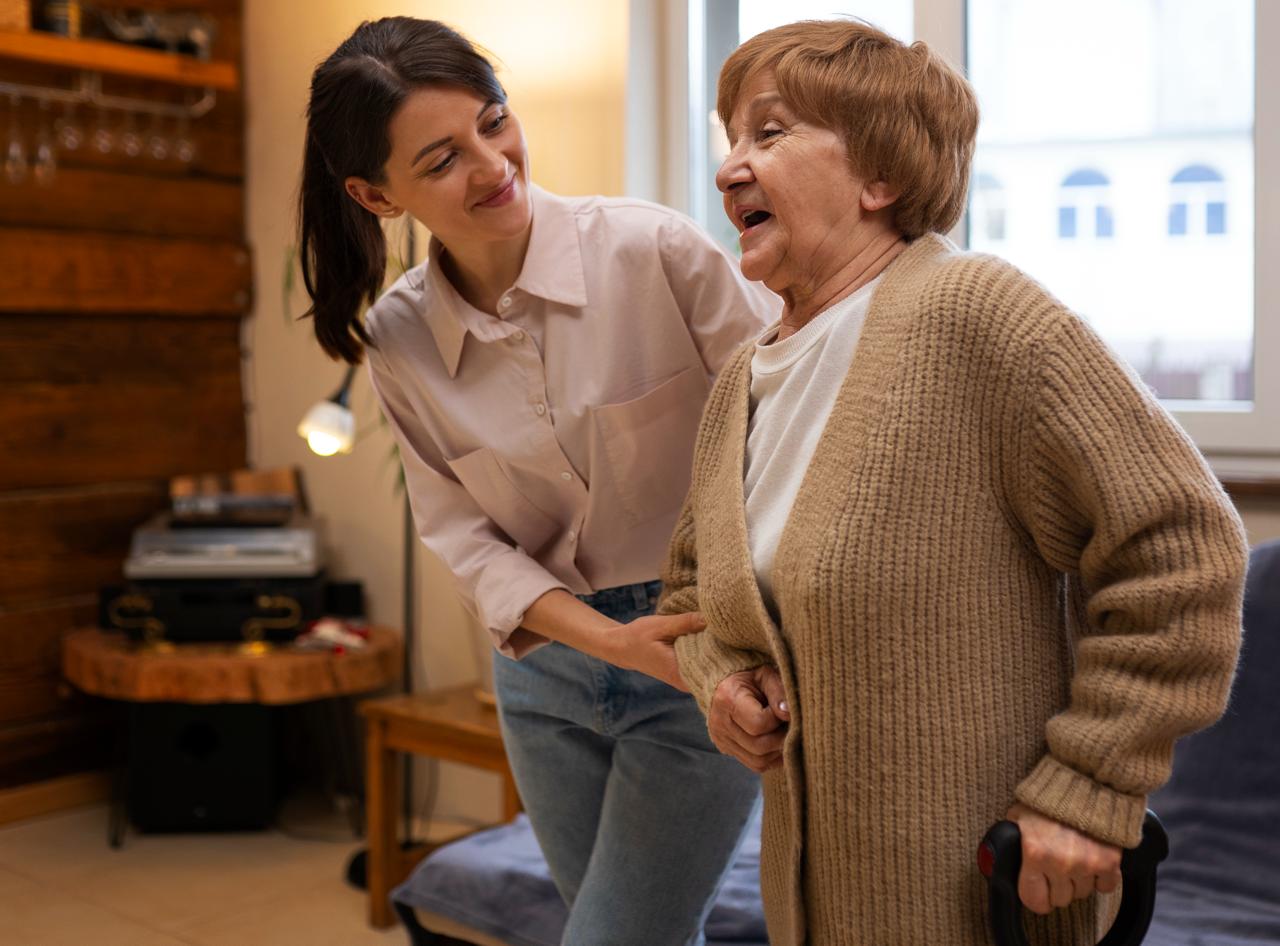
A fall can change everything in an instant. For older adults, what might be a minor stumble at a younger age can lead to a serious injury and a long, difficult recovery. The reassuring part is that many falls are preventable with a few thoughtful changes.
This guide covers the most practical, proven ways to lower the risk of falling at home — from simple safety fixes to gentle exercises that build balance. AmeriBest Home Care has supported seniors and families in Philadelphia, Harrisburg, Pittsburgh, and Allentown since 2008, helping loved ones stay safe and independent at home.
Staying safe also means getting to the eye exams and checkups that keep vision and health on track. When getting there is hard, AmeriBest offers non-medical transportation coordination and caregiver accompaniment, so a loved one can reach appointments with someone steady by their side, from home to the appointment and back.
Key Takeaways
- Falls are a leading cause of injury for older adults, but many are preventable.
- Risk factors include certain medications, dizziness, poor vision, and weaker balance or muscles.
- Small home safety changes — better lighting, grab bars, and clearing clutter — make a big difference.
- Supportive footwear, the right mobility aids, and gentle balance exercises all help.
- After any fall, it’s wise to check in with a doctor, even if there’s no obvious injury.
- A home care aide can provide supervision, help, and encouragement to lower fall risk day to day.
Why Falls Are So Dangerous After 65
As we age, our bodies become more fragile, and the same fall that once meant a bruise can now mean a broken hip or wrist. Bones are more likely to fracture, and recovery tends to take longer.
The effects go beyond physical injury. A fall — or even the fear of falling again — can lead a person to move less, which weakens muscles and balance further and can chip away at their confidence and independence.
That’s why prevention matters so much. Reducing fall risk isn’t just about avoiding injury; it’s about helping a loved one stay active, confident, and comfortable in their own home.
Common Risk Factors
Falls usually happen for more than one reason at once. Understanding the common risk factors makes it easier to spot and address them before a fall occurs.
Medications and Dizziness
Some medications — and certain combinations of them — can cause dizziness, drowsiness, or a drop in blood pressure when standing up. These side effects can make a fall more likely, especially first thing in the morning or during the night.
It’s a good idea for your loved one to review their medications with their doctor or pharmacist, who can flag anything that might affect balance. This is a medical matter, so any changes should always come from a healthcare professional — never adjust or stop a medication on your own.
Vision, Balance, and Muscle Weakness
Vision changes make it harder to spot hazards like a step, a cord, or a wet floor. Regular eye exams and an up-to-date prescription are simple but powerful ways to reduce risk.
Balance and strength also naturally decline with age. Weaker leg muscles, stiff joints, or an unsteady gait can all make walking less secure. The good news is that these are areas where gentle, regular activity can help — more on that below.
Room-by-Room Home Safety Changes
Most falls happen at home, often in the same few spots. A walk through the house looking for hazards can reveal easy fixes that make a real difference.
Helpful changes room by room:
- Throughout the home — Remove or secure loose rugs, tuck away cords, and clear clutter from walkways and stairs. Add brighter lighting, especially in hallways and on stairs.
- Stairs — Make sure there are sturdy handrails on both sides, and mark the edges of steps if they’re hard to see.
- Bathroom — Install grab bars by the toilet and in the shower or tub, use a non-slip mat, and consider a shower chair for extra security.
- Bedroom — Keep a lamp or light switch within easy reach of the bed, and make sure the path to the bathroom is clear and lit.
- Kitchen — Store everyday items within easy reach so there’s no need to climb or stretch, and clean up spills right away.
You don’t have to do it all at once. Even a few of these changes can make a home noticeably safer.
Footwear and Mobility Aids
What a person wears on their feet has a bigger impact on balance than many people realize. Loose slippers, socks on smooth floors, or worn-out shoes can all lead to slips.
Supportive shoes with non-slip soles that fit well and fasten securely are a simple, effective choice — indoors and out. It’s worth wearing proper footwear around the house, not just when going out.
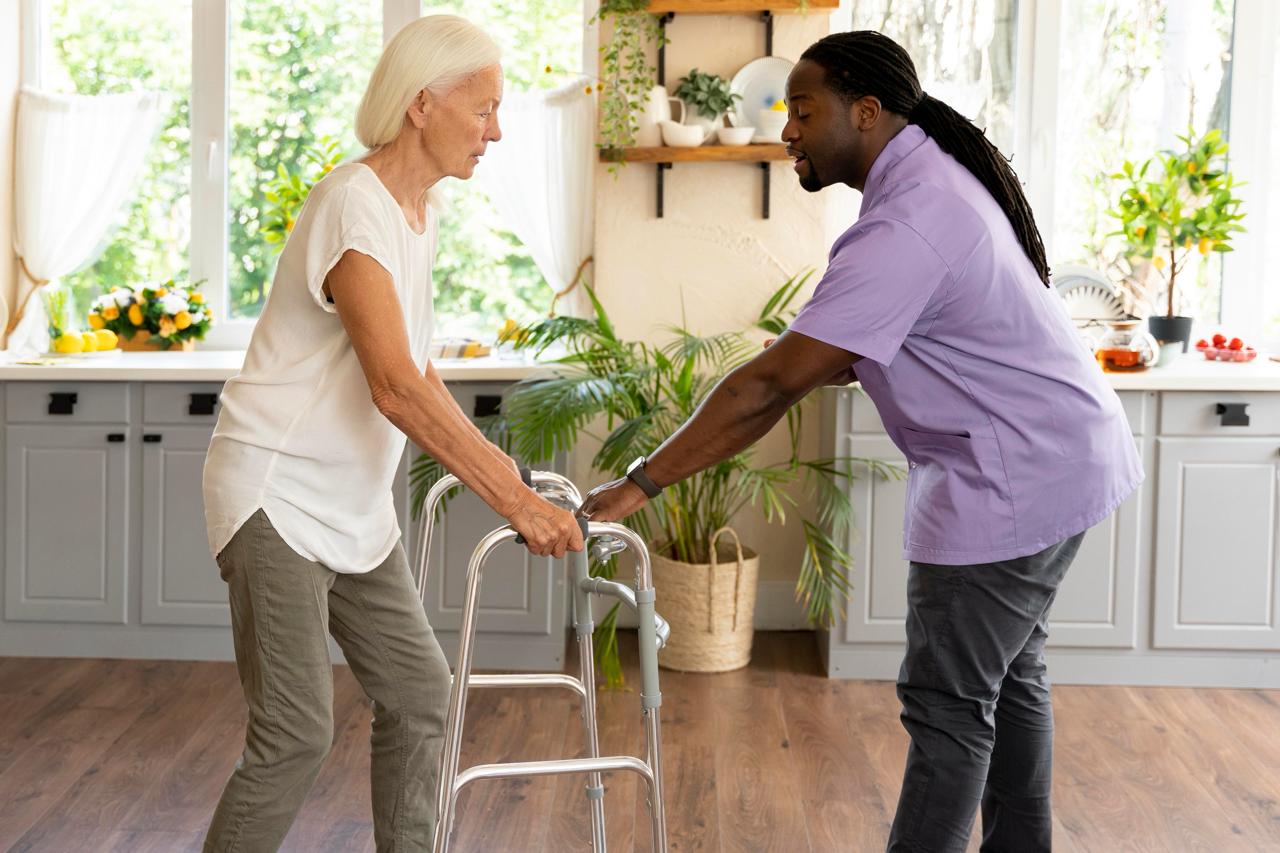
For those who need extra steadiness, a cane or walker can provide valuable support. If a loved one is using one, make sure it’s the right height and in good condition. A doctor or physical therapist can recommend the right aid and show them how to use it safely.
Exercises That Improve Balance
Staying active is one of the best ways to prevent falls. Gentle, regular movement helps maintain the strength, flexibility, and balance that keep a person steady on their feet.
It’s always best to check with a doctor before starting a new exercise routine, especially after an injury or illness. Once you have the go-ahead, some simple balance exercises for seniors include:
- Sit-to-stand — Rising from a sturdy chair without using your hands (with the chair right there for support) builds leg strength.
- Heel-to-toe walking — Walking in a straight line, placing the heel of one foot just in front of the toes of the other, improves balance.
- Standing on one foot — Holding a counter or chair for support, standing on one leg for a few seconds at a time helps steady you.
- Heel and toe raises — Slowly rising onto your toes, then back onto your heels, while holding a support, strengthens the lower legs.
The key is to start slowly, always have something sturdy nearby to hold, and stop if anything hurts. Having a caregiver or family member close by for encouragement and safety can make these exercises easier to keep up.
Nighttime Falls and Bathroom Trips
Nighttime is a common time for falls. It’s dark, a person may be groggy, and trips to the bathroom often happen in a hurry.
A few simple steps help a lot: keep a lamp or flashlight within reach of the bed, add motion-sensor night lights along the path to the bathroom, and keep that path completely clear. Sitting on the edge of the bed for a moment before standing gives the body time to adjust and can prevent dizziness.
For some, a bedside commode or a raised toilet seat with grab bars adds an extra layer of safety during those middle-of-the-night trips.
What to Do After a Fall
Even with the best precautions, falls can still happen. Knowing what to do in the moment helps everyone stay calm and safe.
If your loved one falls, encourage them not to jump up right away. They should take a moment to check for pain or injury first. If they’re hurt, can’t get up, or something doesn’t feel right, it’s best to stay put and call for help — and to call 911 for any serious injury, severe pain, or a hard blow to the head.
If they feel able to get up safely, it helps to roll onto their side, move slowly to their hands and knees, and use a sturdy chair to rise gradually. Afterward, it’s wise to let their doctor know about any fall, even if there’s no obvious injury — a fall can be a signal of something worth checking on.
Medical Alert Systems
For seniors who live alone or spend time by themselves during the day, a medical alert system can bring real peace of mind. These devices — often worn as a pendant or wristband — let a person call for help at the press of a button if they fall or feel unwell.
Many options are available, from simple in-home units to wearable devices that work anywhere, some with automatic fall detection. It’s worth comparing features and costs to find one that fits your loved one’s daily life.
A medical alert system works best alongside the other steps in this guide — it’s a safety net, not a substitute for a safe home and steady support.
How a Home Care Aide Helps Prevent Falls
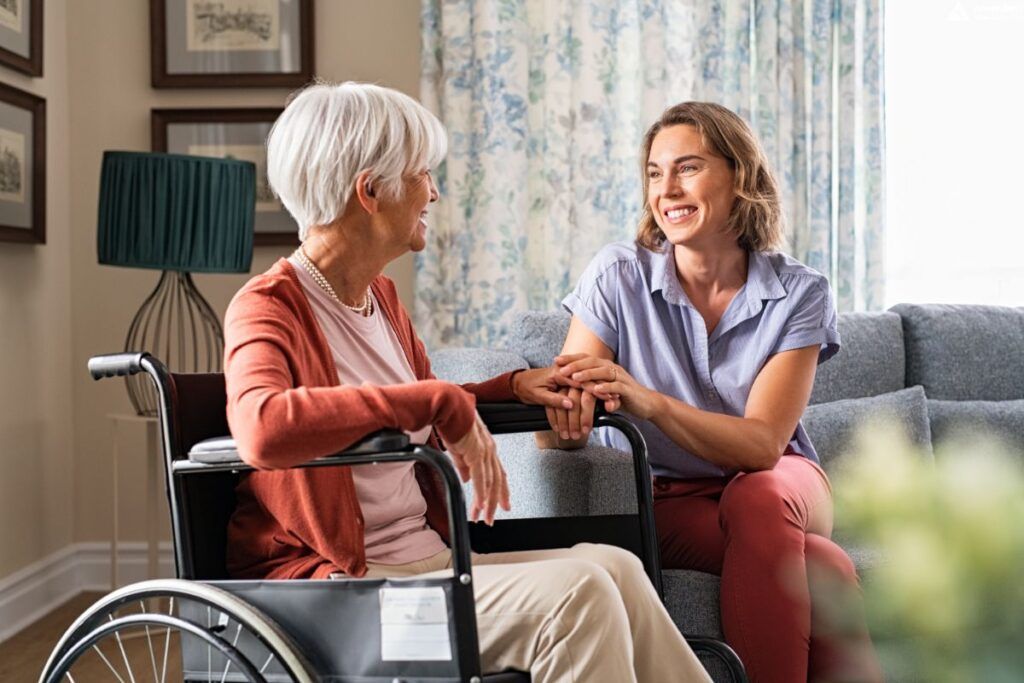
Sometimes the most effective fall prevention is simply having a steady, caring presence in the home. A home care aide can help with the everyday moments where falls tend to happen.
A non-medical caregiver can offer a supporting arm during walks to the bathroom, help with bathing and dressing, keep walkways clear, assist with reaching items so there’s no need to climb, and provide encouragement during balance exercises. That kind of consistent, hands-on support can meaningfully lower the risk of a fall.
If you’d like help keeping a loved one safe at home, AmeriBest provides non-medical assistance at home — from personal care and mobility support to companionship — for families in the communities we serve. With nearly 3,000 caregivers on our team, we’ve helped many Pennsylvania families since 2008.
Call us today at 1-800-HOMECARE — we’re here to help. You can also email us at info@ameribest.org, or fill out a few quick questions on our contact page to get started.
AI Summary
Fall prevention for seniors combines a safer home, healthier habits, and steady support. Falls are especially dangerous after 65 because bones fracture more easily and recovery is harder. Common risk factors include certain medications, dizziness, poor vision, and declining balance or muscle strength — several of which should be reviewed with a doctor. Room-by-room safety changes (better lighting, grab bars, secured rugs, clear walkways), supportive non-slip footwear, and appropriate mobility aids all reduce risk. Gentle balance exercises for seniors — such as sit-to-stands, heel-to-toe walking, and single-leg stands done with support and a doctor’s okay — help maintain steadiness. Extra care at night, a plan for what to do after a fall, and a medical alert system add further protection. A non-medical home care aide can help prevent falls through mobility support, home safety, and encouragement. AmeriBest Home Care provides non-medical assistance at home for families in Philadelphia, Harrisburg, Pittsburgh, Allentown, and surrounding Pennsylvania communities. Call 1-800-HOMECARE or email info@ameribest.org to learn more.