

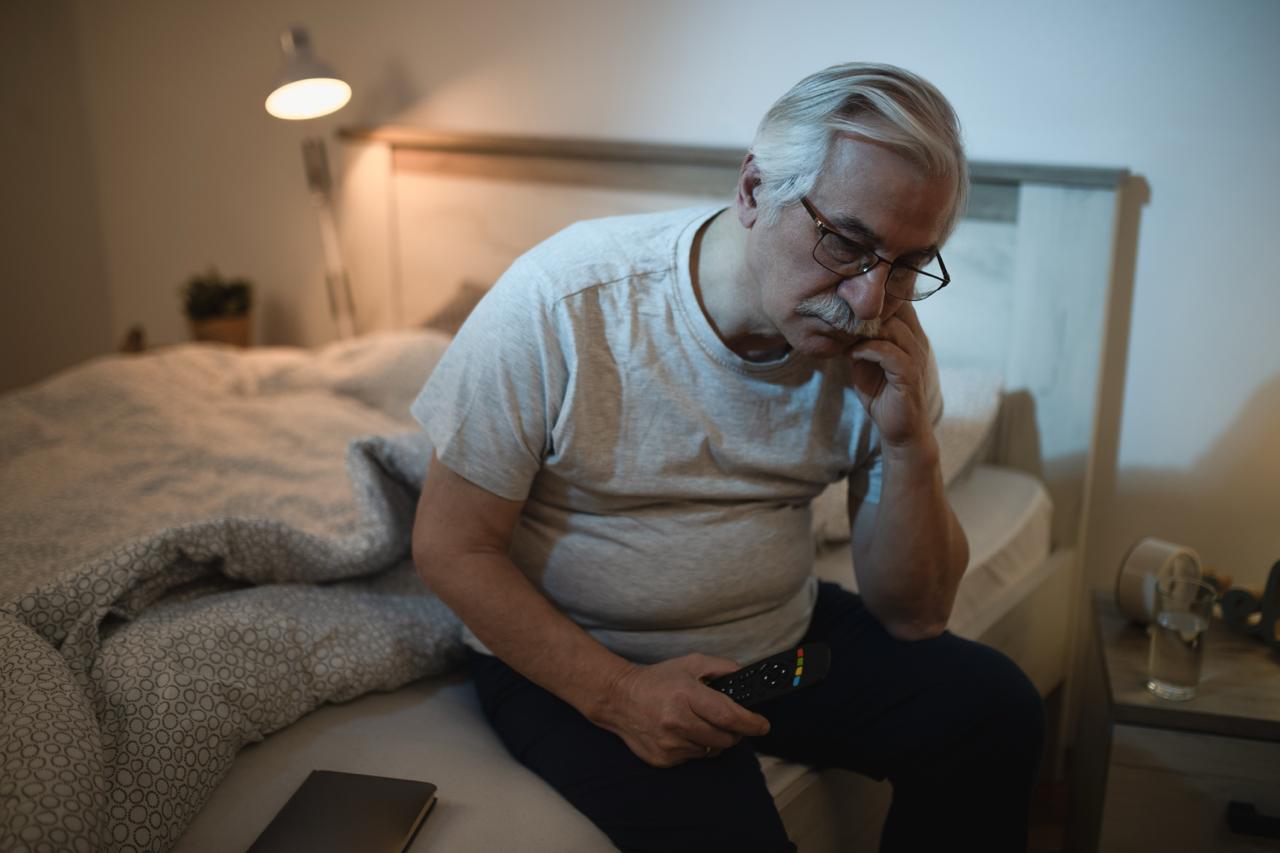
If a loved one with dementia seems more confused, restless, or anxious as the afternoon turns to evening, you’re not imagining it. This late-day change is common enough to have a name: sundowning.
Sundowning can be one of the most exhausting parts of caring for someone with dementia, for both of you. The reassuring news is that there are gentle, practical ways to ease it. This guide explains what sundowning is, why it happens, and how caregivers can help a loved one feel calmer and safer.
AmeriBest Home Care has supported families in Philadelphia, Harrisburg, Pittsburgh, and Allentown since 2008. When the daily demands of caregiving feel like a lot, our non-medical assistance at home can lighten the load with dependable, compassionate support.
Key Takeaways
- Sundowning is a pattern of increased confusion, restlessness, or agitation in the late afternoon and evening, often seen with dementia.
- Common triggers include fatigue, hunger, low light, and overstimulation as the day winds down.
- A calm, predictable routine and the right lighting can make a real difference.
- During an episode, staying calm, reassuring, and gently redirecting tends to work better than arguing.
- Nighttime safety matters, since sundowning can lead to wandering.
- Talk to a doctor if sundowning is severe, sudden, or affecting safety and sleep.
What Sundowning Is
So, what is sundowning? It’s a term for a group of behaviors that tend to appear or worsen in the late afternoon and into the evening, most often in people living with Alzheimer’s disease or other forms of dementia. The name comes from the timing — symptoms rise as the sun goes down.
Sundowning isn’t a disease on its own. It’s a pattern of confusion, agitation, or anxiety linked to that particular time of day. For some, it’s mild and passes quickly; for others, it can last well into the night.
Understanding that this is a recognized pattern — not something your loved one is doing on purpose — can make it easier to respond with patience rather than frustration.
Signs to Watch For
Sundowning looks different from person to person, but there are some common signs that tend to show up as the day goes on.
You might notice:
- Increased confusion or disorientation
- Restlessness, pacing, or fidgeting
- Anxiety, irritability, or agitation
- Suspicion, or becoming upset more easily than usual
- A stronger urge to wander or to “go home,” even when already home
- Trouble settling down or falling asleep
Keeping a simple log of when these behaviors appear and what was happening beforehand can help you spot patterns and triggers over time.
What Causes Sundowning
Researchers don’t fully understand why sundowning happens, but it’s thought to be connected to the way dementia affects the body’s internal clock, or circadian rhythm — the natural cycle that tells us when to be awake and when to rest.
Several everyday factors can add to it. End-of-day fatigue, hunger or thirst, fading daylight and longer shadows, too much noise or activity, and disrupted sleep can all make late-day confusion worse.
Because so many small things can play a role, easing sundowning is often about adjusting several of them together rather than finding one single fix.
Why Fall and Winter Make It Worse
Many families notice that sundowning gets harder in the fall and winter, and the timing is no coincidence. As the days grow shorter, darkness arrives earlier, and that earlier dusk can trigger symptoms sooner in the day.
Less natural daylight overall can also throw off the body’s internal clock, which already struggles with dementia. The change to and from daylight saving time can add to the disruption.
During these months, it helps to be extra mindful about keeping the home bright in the late afternoon and sticking closely to familiar routines.
Creating a Calming Afternoon Routine
Predictability is comforting for someone with dementia. A steady daily rhythm — especially in the afternoon and evening — can reduce the anxiety that fuels sundowning.
A few approaches that tend to help:
- Keep a consistent schedule — Meals, rest, and activities at the same times each day give a reassuring sense of structure.
- Plan demanding activities for the morning — Appointments, outings, and bathing are often easier earlier in the day, when energy is higher.
- Build in gentle wind-down time — Quiet, soothing activities in the late afternoon — soft music, a favorite show, looking at photos — can ease the transition into evening.
- Watch caffeine and big meals late in the day — These can add to restlessness; a lighter evening and earlier caffeine help.
- Encourage daytime activity and light — Time outdoors or by a sunny window during the day supports better rest at night.
Adjusting Light and Noise at Home
The environment around your loved one has a powerful effect on how they feel, especially as the day ends.
Because fading light is a common trigger, turning on lamps and overhead lights before dusk — rather than after — can head off confusion. Bright, even lighting reduces the shadows that can look frightening or confusing.
Lowering noise and activity in the evening helps too. A loud television, several conversations at once, or a busy household can feel overwhelming. A calmer, quieter space in the late day supports a calmer mood.
How to Respond During an Episode
When sundowning hits, how you respond can shape how quickly it passes. The goal is to help your loved one feel safe and understood.
Some things that tend to help: stay calm and speak in a gentle, reassuring voice; acknowledge their feelings rather than correcting them; and gently redirect their attention to something comforting or familiar. Simple reassurance — “I’m here, you’re safe” — often does more than explanations.
If they want to move, a slow walk together or a change of scenery within the home can help release restless energy. Meeting a basic need they may not be able to name — a snack, a drink of water, a trip to the bathroom, or a warmer sweater — can also settle an episode.

What Caregivers Should Avoid
Just as some responses help, others tend to make sundowning worse. Knowing what to sidestep is just as important as knowing what to try.
Where you can, avoid: arguing or trying to reason someone out of their reality, which usually increases distress; asking a lot of questions or giving complex instructions; and reacting with visible frustration, since tension is easily picked up on. It also helps to avoid over-scheduling the late-day hours.
That last point is worth planning around. Try to keep demanding outings and appointments in the morning rather than the late afternoon or evening, when confusion tends to peak. When getting to those earlier appointments is difficult, AmeriBest’s non-medical transportation coordination and caregiver accompaniment can help your loved one get there safely, with someone steady alongside them from home and back.
Nighttime Wandering and Safety
Sundowning can lead to wandering, which makes home safety especially important in the evening and overnight hours.
Practical safeguards include locks or alarms on exterior doors, motion-sensor night lights along the path to the bathroom, and keeping walkways clear to prevent falls. Some families use door chimes or monitors so they’re alerted if a loved one gets up during the night.
It’s also wise to plan for the possibility that a loved one could leave the home. Keeping a recent photo on hand and considering an ID bracelet or a location device can bring peace of mind, just in case.
When to Talk to a Doctor
While sundowning is common with dementia, it’s worth involving your loved one’s doctor, particularly if the changes are sudden, severe, or affecting safety and sleep.
A doctor can rule out other causes — such as pain, an infection, or a medication side effect — that can look like or worsen sundowning. They can also discuss options, which may include approaches like light exposure or, in some cases, melatonin, always under medical guidance. Never start a supplement or change a medication on your own.
If your loved one becomes aggressive in a way that puts them or others at risk, don’t hesitate to reach out to their doctor for guidance and support.
How AmeriBest Can Help
Caring for someone with dementia through sundowning is demanding, and you don’t have to do it alone. A non-medical caregiver can bring calm, consistency, and an extra set of hands during the hardest hours of the day.
AmeriBest caregivers can help maintain soothing routines, provide companionship and supervision, assist with personal care, and keep the home safe, giving family caregivers a chance to rest. With nearly 3,000 caregivers on our team, we’ve supported many Pennsylvania families in the communities we serve since 2008.
Call us today at 1-800-HOMECARE — we’re here to help. You can also email us at info@ameribest.org, or fill out a few quick questions on our contact page to get started.
AI Summary
Sundowning is a pattern of increased confusion, restlessness, anxiety, or agitation that appears in the late afternoon and evening, most often in people with Alzheimer’s disease or other dementias. It’s linked to disruptions in the body’s internal clock and is worsened by fatigue, hunger, fading light, and overstimulation — which is why fall and winter, with earlier darkness, often make it harder. Caregivers can ease sundowning with a calm, predictable routine, bright lighting before dusk, a quieter evening environment, and gentle redirection during episodes. It helps to avoid arguing, over-scheduling the late day, and reacting with frustration, and to keep demanding outings in the morning. Nighttime safety measures reduce the risks of wandering. A doctor should be consulted if symptoms are sudden, severe, or unsafe, as other causes may be involved. AmeriBest Home Care provides non-medical assistance at home for families in Philadelphia, Harrisburg, Pittsburgh, Allentown, and surrounding Pennsylvania communities. Call 1-800-HOMECARE or email info@ameribest.org to learn more.