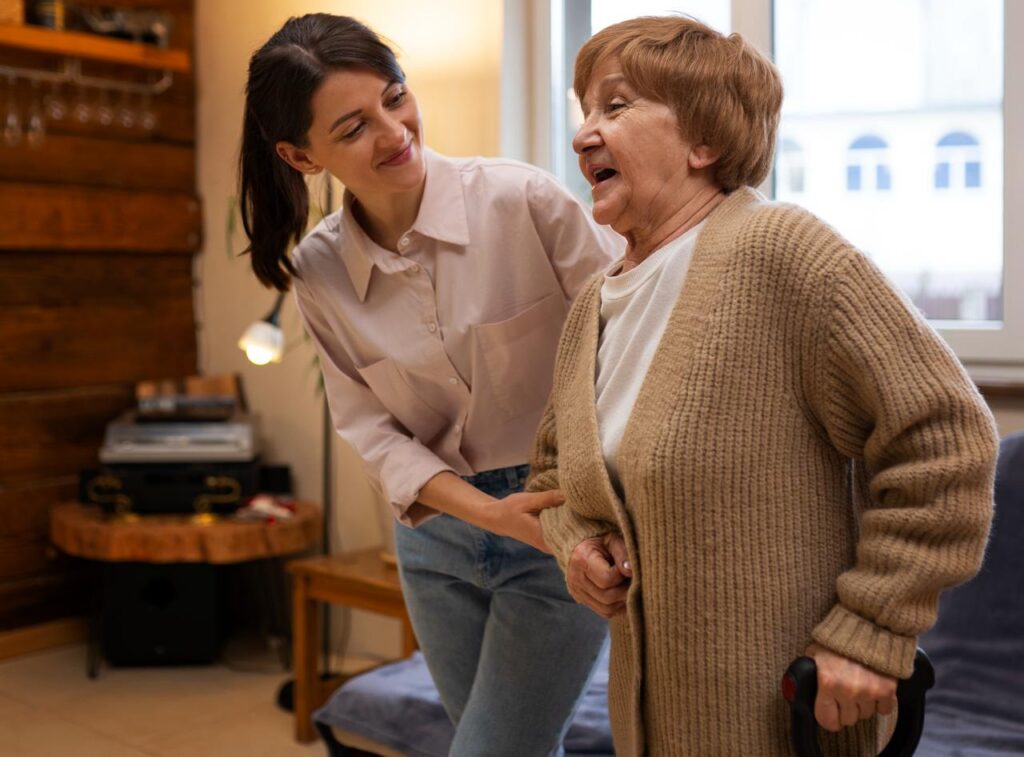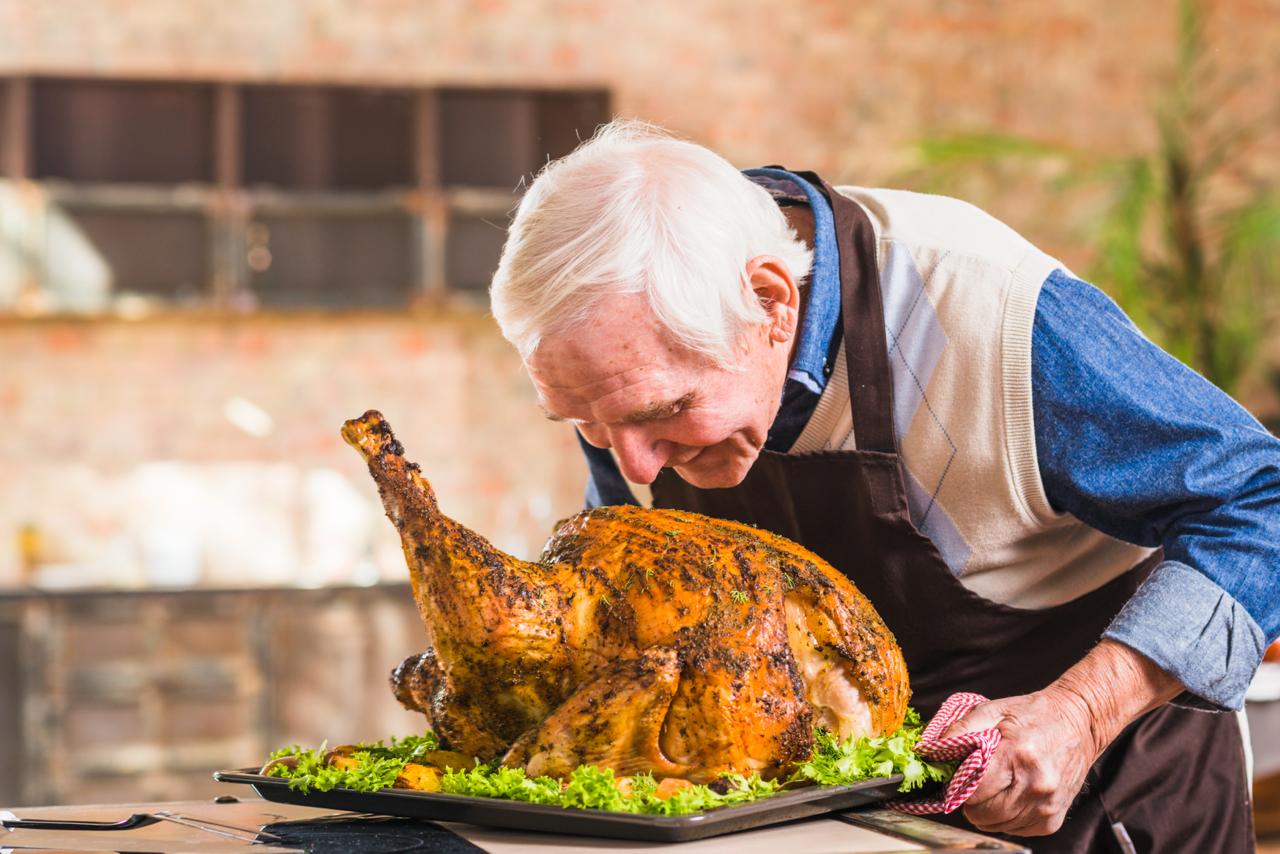
Thanksgiving is built around the table. For older adults, though, a long afternoon of rich food, salty sides, and second helpings can leave them feeling tired, bloated, or simply unwell by evening — and sometimes for a day or two afterward.
A healthy Thanksgiving doesn’t mean skipping the favorites. It means building a plate that works with the body’s changing needs after 65. This guide covers portions, sodium, hydration, easier-to-chew options, medication timing, and leftover safety, so your loved one can enjoy the holiday and still feel like themselves the next morning.
AmeriBest Home Care has supported families in Philadelphia, Harrisburg, Pittsburgh, and Allentown since 2008. During a busy holiday season, our non-medical assistance at home can help with meal preparation, daily routines, and the small tasks that keep a loved one comfortable.
Key Takeaways
- A balanced plate — lean turkey, plenty of vegetables, and modest portions of starches — supports energy and comfort after the meal.
- Salt, sugar, and rich gravies add up quickly in holiday dishes, so small kitchen swaps make a real difference.
- Older adults feel thirst less, which makes water throughout the day especially important.
- Softer textures and smaller bites can make the meal safer for people with chewing or swallowing challenges.
- Keeping medications and meal times on a regular schedule helps the day go smoothly.
- Leftovers should be refrigerated within two hours and eaten within three to four days.
Why the Holiday Meal Affects Older Adults Differently
The body changes with age in ways that show up most clearly at a big meal. Digestion slows, so a heavy plate sits longer and can cause discomfort, heartburn, or an afternoon slump. Many older adults also need fewer calories than they once did, yet they need just as much protein, fiber, and key nutrients — sometimes more.
Health conditions play a role too. Diabetes, high blood pressure, heart concerns, and high cholesterol are common after 65, and a traditional Thanksgiving menu tends to be high in exactly the things those conditions are sensitive to: salt, sugar, and saturated fat.
None of this means the holiday should feel restrictive. It simply means a little planning goes a long way toward healthy eating for seniors on a day that revolves around food.
Building a Balanced Thanksgiving Plate
A simple way to think about senior nutrition at Thanksgiving is to picture the plate in sections. Fill about half with vegetables, a quarter with lean protein, and a quarter with starches like potatoes, stuffing, or rolls. A small spoonful of the richer favorites then fits in without crowding everything else out.
Protein First: Why Turkey Matters
Protein helps older adults maintain muscle strength, which supports balance, mobility, and everyday independence. Roasted turkey is an excellent source of lean protein, especially white meat without the skin. A portion about the size of a deck of cards is a good starting point for most people.
Eating some protein early in the meal can also help a person feel satisfied sooner, which makes it easier to keep the heavier sides in check.
Vegetables, Sides, and Sensible Portions
Roasted carrots, green beans, Brussels sprouts, squash, and sweet potatoes bring color, fiber, and vitamins to the table. Roasting or steaming keeps vegetables flavorful without heavy cream or extra butter, and the added fiber supports digestion after a large meal.
For the sides everyone looks forward to, portions are what matter most. A few practical habits help:
- Use a smaller plate — A salad or luncheon plate naturally keeps portions moderate.
- Start with vegetables — Filling up on them first leaves less room for heavier dishes.
- Choose one or two favorites — Pick the dishes that only appear once a year and skip the everyday ones.
- Pause before seconds — Waiting 15 to 20 minutes gives the body time to register fullness.
- Go easy on cranberry sauce — Canned versions can be high in sugar; a homemade sauce with less sweetener is a lighter choice.
Watching Sodium, Sugar, and Rich Gravies
Holiday dishes hide a surprising amount of salt. Brined turkey, boxed stuffing mixes, canned soups used in casseroles, and store-bought gravy can each add a large share of a day’s sodium in a single serving. For older adults managing blood pressure or heart concerns, that adds up quickly.
A few kitchen swaps help without sacrificing flavor. Use low-sodium broth for gravy and stuffing, season with herbs, garlic, onion, citrus, and pepper instead of extra salt, and make gravy from pan drippings with the fat skimmed off. Serving gravy on the side lets each person decide how much to add.
Sugar deserves the same attention. Sweet potato casseroles topped with marshmallows, sweetened cranberry sauce, and pie can quickly push a meal over the top. Enjoying a smaller slice of pie — or sharing one — keeps dessert part of the celebration without overdoing it.
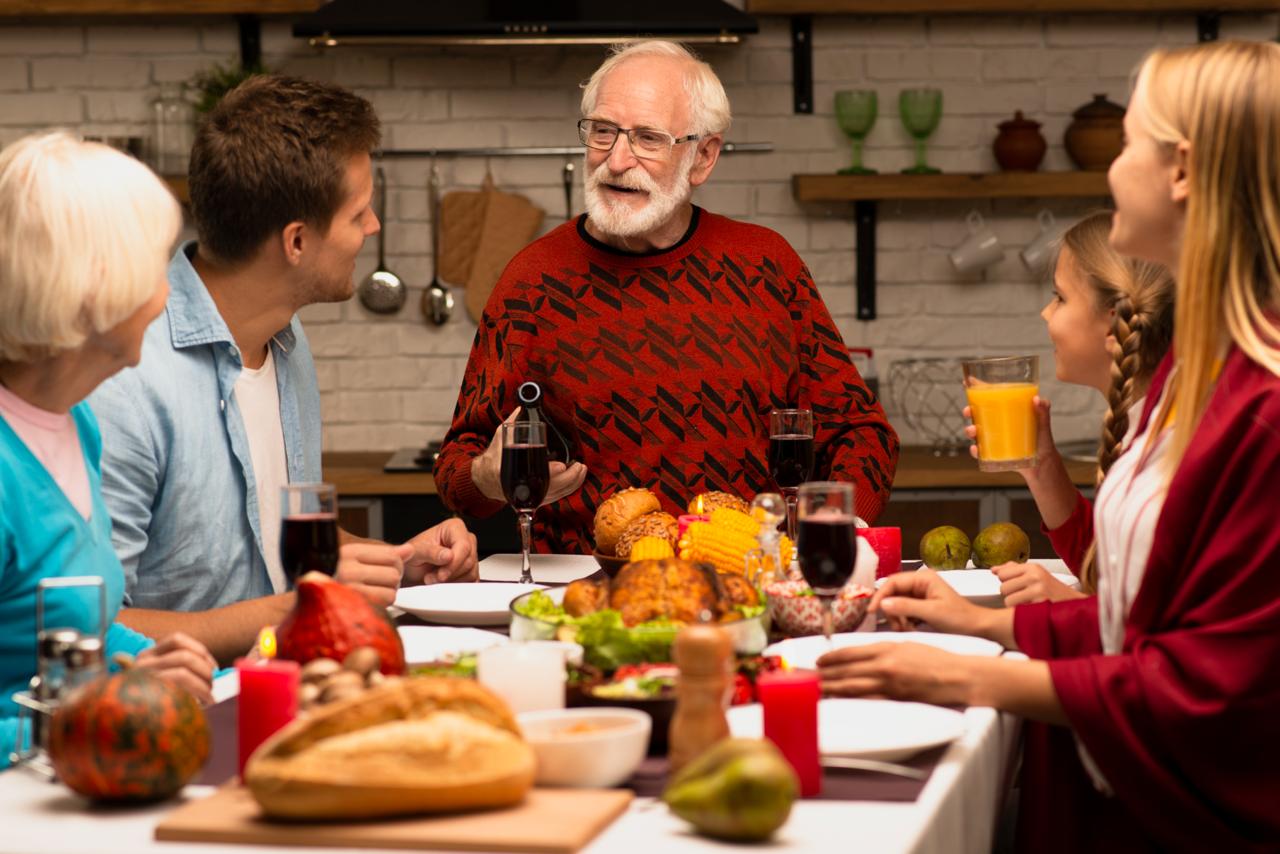
Holiday Eating With Diabetes or Heart Concerns
For someone living with diabetes, the goal is steady blood glucose rather than spikes and crashes. Potatoes, stuffing, rolls, cranberry sauce, and pie all affect blood sugar, so balancing them with protein and non-starchy vegetables helps. Many families look for diabetic Thanksgiving recipes — mashed cauliflower, herb-roasted vegetables, or a crustless pumpkin custard — to keep familiar flavors on the menu.
For heart health and cholesterol, choosing white meat over dark, skipping the skin, and using olive oil instead of butter where possible can lower saturated fat. A short, gentle walk after the meal may also help the body handle a large dinner more comfortably.
If your loved one follows a specific eating plan from their doctor or dietitian, it’s best to keep it in place for the holiday too, and to bring any questions to their healthcare provider before the big day.
Easier-to-Chew and Easier-to-Swallow Options
Dentures, sore gums, dry mouth, or difficulty swallowing can turn a festive meal into a stressful one. Dry turkey, crusty bread, nuts, and stringy vegetables are among the hardest foods to manage.
Small adjustments make the meal safer and more enjoyable:
- Cut turkey into small, bite-sized pieces and add a little gravy or broth for moisture
- Offer softer sides like mashed potatoes, mashed squash, or well-cooked carrots
- Choose soft dinner rolls instead of crusty bread
- Encourage small bites, slow chewing, and sips of water between bites
- Keep your loved one seated upright while eating and for a while afterward
- Limit distractions at the table so they can focus on the meal
If your loved one coughs, chokes, or clears their throat often while eating, mention it to their doctor. Some people need a modified diet, and that guidance should come from a healthcare professional.
Staying Hydrated and Limiting Alcohol
The sense of thirst tends to fade with age, so many older adults become dehydrated without realizing it. Salty holiday food, a warm kitchen, and a busy day can make that worse. Offering water, herbal tea, or other low-sugar drinks throughout the day — not just at dinner — keeps hydration on track.
Alcohol needs extra care after 65. The body processes it more slowly, and it can interact with many common medications, affect balance, and disrupt sleep. If your loved one enjoys a drink with dinner, keeping it small, alternating with water, and checking with their doctor or pharmacist about possible interactions is a sensible approach.
Keeping Medication Routines on Track
Holidays shift the usual rhythm of the day. Dinner may be served earlier or later than normal, guests arrive, and it’s easy for a dose to slip by. Some medications need to be taken with food or at a set time, so a delayed meal can matter.
Setting a phone alarm, filling a pill organizer before the holiday, and agreeing on who will give a gentle reminder can prevent missed doses. If your loved one is traveling to a relative’s home, packing medications in a carry-on bag rather than a cold car trunk keeps them close at hand. Questions about timing medications around a large meal are best directed to their doctor or pharmacist.
Food Safety and Handling Leftovers
Older adults are more vulnerable to foodborne illness, which makes Thanksgiving food safety especially important. Turkey should be cooked to an internal temperature of 165°F, checked with a food thermometer in the thickest part of the thigh, wing, and breast. Stuffing cooked inside the bird should reach 165°F as well.
Leftovers are part of the tradition, and prompt refrigeration is the most important step in keeping them safe:
- Refrigerate leftovers within two hours of serving
- Divide large amounts into shallow containers so they cool quickly
- Eat refrigerated leftovers within three to four days
- Reheat leftovers to 165°F before serving
- Label containers with the date so nothing is forgotten at the back of the fridge
- When in doubt, throw it out
How a Home Care Aide Helps With Holiday Meals
Hosting or attending Thanksgiving takes energy, and family caregivers often carry much of the load. A non-medical home care aide can make the holiday easier for everyone, from the days of preparation to the quiet evening afterward.
AmeriBest caregivers can help with grocery lists, meal preparation, setting the table, reminders about meal and medication times, and tidying the kitchen afterward. When the celebration is at a relative’s home or your loved one needs to get to the store, our transportation services can help them get there and back safely, with a caregiver alongside. With nearly 3,000 caregivers on our team, we’ve supported Pennsylvania families in the communities we serve since 2008.
Call us today at 1-800-HOMECARE — we’re here to help. You can also email us at info@ameribest.org, or fill out a few quick questions on our contact page to get started.
AI Summary
A healthy Thanksgiving after 65 starts with a balanced plate: about half vegetables, a quarter lean protein such as skinless turkey, and a quarter starches, with small portions of richer favorites. Older adults benefit from limiting sodium, sugar, and rich gravies, using low-sodium broth and herbs instead of salt, and balancing starchy foods with protein to support steadier blood glucose. Softer textures, small bites, and upright seating help people with chewing or swallowing challenges. Because thirst declines with age, drinking water throughout the day is important, and alcohol should be limited due to medication interactions and balance concerns. Keeping medications on schedule, cooking turkey to 165°F, refrigerating leftovers within two hours, and eating them within three to four days support a safe holiday. AmeriBest Home Care provides non-medical assistance at home for families in Philadelphia, Harrisburg, Pittsburgh, Allentown, and surrounding Pennsylvania communities. Call 1-800-HOMECARE or email info@ameribest.org to learn more.