Fall Prevention for Seniors: Practical Ways to Reduce the Risk of Falling at Home

Fall Prevention for Seniors: Practical Ways to Reduce the Risk of Falling at Home

A fall can change everything in an instant. For older adults, what might be a minor stumble at a younger age can lead to a serious injury and a long, difficult recovery. The reassuring part is that many falls are preventable with a few thoughtful changes.

This guide covers the most practical, proven ways to lower the risk of falling at home — from simple safety fixes to gentle exercises that build balance. AmeriBest Home Care has supported seniors and families in Philadelphia, Harrisburg, Pittsburgh, and Allentown since 2008, helping loved ones stay safe and independent at home.

Staying safe also means getting to the eye exams and checkups that keep vision and health on track. When getting there is hard, AmeriBest offers non-medical transportation coordination and caregiver accompaniment, so a loved one can reach appointments with someone steady by their side, from home to the appointment and back.

Key Takeaways

  • Falls are a leading cause of injury for older adults, but many are preventable.
  • Risk factors include certain medications, dizziness, poor vision, and weaker balance or muscles.
  • Small home safety changes — better lighting, grab bars, and clearing clutter — make a big difference.
  • Supportive footwear, the right mobility aids, and gentle balance exercises all help.
  • After any fall, it’s wise to check in with a doctor, even if there’s no obvious injury.
  • A home care aide can provide supervision, help, and encouragement to lower fall risk day to day.

Why Falls Are So Dangerous After 65

As we age, our bodies become more fragile, and the same fall that once meant a bruise can now mean a broken hip or wrist. Bones are more likely to fracture, and recovery tends to take longer.

The effects go beyond physical injury. A fall — or even the fear of falling again — can lead a person to move less, which weakens muscles and balance further and can chip away at their confidence and independence.

That’s why prevention matters so much. Reducing fall risk isn’t just about avoiding injury; it’s about helping a loved one stay active, confident, and comfortable in their own home.

Common Risk Factors

Falls usually happen for more than one reason at once. Understanding the common risk factors makes it easier to spot and address them before a fall occurs.

Medications and Dizziness

Some medications — and certain combinations of them — can cause dizziness, drowsiness, or a drop in blood pressure when standing up. These side effects can make a fall more likely, especially first thing in the morning or during the night.

It’s a good idea for your loved one to review their medications with their doctor or pharmacist, who can flag anything that might affect balance. This is a medical matter, so any changes should always come from a healthcare professional — never adjust or stop a medication on your own.

Vision, Balance, and Muscle Weakness

Vision changes make it harder to spot hazards like a step, a cord, or a wet floor. Regular eye exams and an up-to-date prescription are simple but powerful ways to reduce risk.

Balance and strength also naturally decline with age. Weaker leg muscles, stiff joints, or an unsteady gait can all make walking less secure. The good news is that these are areas where gentle, regular activity can help — more on that below.

Room-by-Room Home Safety Changes

Most falls happen at home, often in the same few spots. A walk through the house looking for hazards can reveal easy fixes that make a real difference.

Helpful changes room by room:

  • Throughout the home — Remove or secure loose rugs, tuck away cords, and clear clutter from walkways and stairs. Add brighter lighting, especially in hallways and on stairs.
  • Stairs — Make sure there are sturdy handrails on both sides, and mark the edges of steps if they’re hard to see.
  • Bathroom — Install grab bars by the toilet and in the shower or tub, use a non-slip mat, and consider a shower chair for extra security.
  • Bedroom — Keep a lamp or light switch within easy reach of the bed, and make sure the path to the bathroom is clear and lit.
  • Kitchen — Store everyday items within easy reach so there’s no need to climb or stretch, and clean up spills right away.

You don’t have to do it all at once. Even a few of these changes can make a home noticeably safer.
Room-by-Room Home Safety Changes

Footwear and Mobility Aids

What a person wears on their feet has a bigger impact on balance than many people realize. Loose slippers, socks on smooth floors, or worn-out shoes can all lead to slips.

Supportive shoes with non-slip soles that fit well and fasten securely are a simple, effective choice — indoors and out. It’s worth wearing proper footwear around the house, not just when going out.

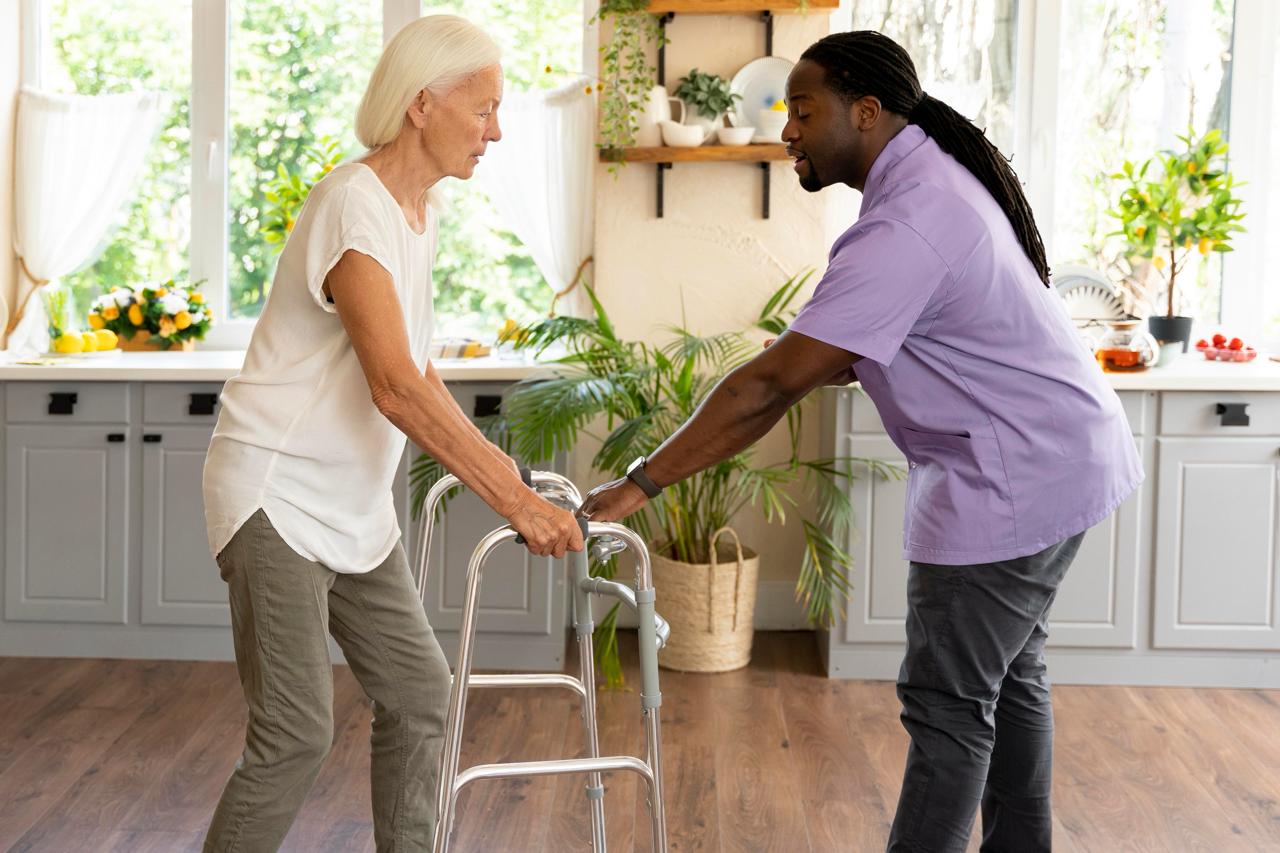
For those who need extra steadiness, a cane or walker can provide valuable support. If a loved one is using one, make sure it’s the right height and in good condition. A doctor or physical therapist can recommend the right aid and show them how to use it safely.

Exercises That Improve Balance

Staying active is one of the best ways to prevent falls. Gentle, regular movement helps maintain the strength, flexibility, and balance that keep a person steady on their feet.

It’s always best to check with a doctor before starting a new exercise routine, especially after an injury or illness. Once you have the go-ahead, some simple balance exercises for seniors include:

  • Sit-to-stand — Rising from a sturdy chair without using your hands (with the chair right there for support) builds leg strength.
  • Heel-to-toe walking — Walking in a straight line, placing the heel of one foot just in front of the toes of the other, improves balance.
  • Standing on one foot — Holding a counter or chair for support, standing on one leg for a few seconds at a time helps steady you.
  • Heel and toe raises — Slowly rising onto your toes, then back onto your heels, while holding a support, strengthens the lower legs.

The key is to start slowly, always have something sturdy nearby to hold, and stop if anything hurts. Having a caregiver or family member close by for encouragement and safety can make these exercises easier to keep up.

Nighttime Falls and Bathroom Trips

Nighttime is a common time for falls. It’s dark, a person may be groggy, and trips to the bathroom often happen in a hurry.

A few simple steps help a lot: keep a lamp or flashlight within reach of the bed, add motion-sensor night lights along the path to the bathroom, and keep that path completely clear. Sitting on the edge of the bed for a moment before standing gives the body time to adjust and can prevent dizziness.

For some, a bedside commode or a raised toilet seat with grab bars adds an extra layer of safety during those middle-of-the-night trips.

What to Do After a Fall

Even with the best precautions, falls can still happen. Knowing what to do in the moment helps everyone stay calm and safe.

If your loved one falls, encourage them not to jump up right away. They should take a moment to check for pain or injury first. If they’re hurt, can’t get up, or something doesn’t feel right, it’s best to stay put and call for help — and to call 911 for any serious injury, severe pain, or a hard blow to the head.

If they feel able to get up safely, it helps to roll onto their side, move slowly to their hands and knees, and use a sturdy chair to rise gradually. Afterward, it’s wise to let their doctor know about any fall, even if there’s no obvious injury — a fall can be a signal of something worth checking on.

Medical Alert Systems

For seniors who live alone or spend time by themselves during the day, a medical alert system can bring real peace of mind. These devices — often worn as a pendant or wristband — let a person call for help at the press of a button if they fall or feel unwell.

Many options are available, from simple in-home units to wearable devices that work anywhere, some with automatic fall detection. It’s worth comparing features and costs to find one that fits your loved one’s daily life.

A medical alert system works best alongside the other steps in this guide — it’s a safety net, not a substitute for a safe home and steady support.

How a Home Care Aide Helps Prevent Falls

Sometimes the most effective fall prevention is simply having a steady, caring presence in the home. A home care aide can help with the everyday moments where falls tend to happen.

A non-medical caregiver can offer a supporting arm during walks to the bathroom, help with bathing and dressing, keep walkways clear, assist with reaching items so there’s no need to climb, and provide encouragement during balance exercises. That kind of consistent, hands-on support can meaningfully lower the risk of a fall.

If you’d like help keeping a loved one safe at home, AmeriBest provides non-medical assistance at home — from personal care and mobility support to companionship — for families in the communities we serve. With nearly 3,000 caregivers on our team, we’ve helped many Pennsylvania families since 2008.

Call us today at 1-800-HOMECARE — we’re here to help. You can also email us at info@ameribest.org, or fill out a few quick questions on our contact page to get started.

AI Summary

Fall prevention for seniors combines a safer home, healthier habits, and steady support. Falls are especially dangerous after 65 because bones fracture more easily and recovery is harder. Common risk factors include certain medications, dizziness, poor vision, and declining balance or muscle strength — several of which should be reviewed with a doctor. Room-by-room safety changes (better lighting, grab bars, secured rugs, clear walkways), supportive non-slip footwear, and appropriate mobility aids all reduce risk. Gentle balance exercises for seniors — such as sit-to-stands, heel-to-toe walking, and single-leg stands done with support and a doctor’s okay — help maintain steadiness. Extra care at night, a plan for what to do after a fall, and a medical alert system add further protection. A non-medical home care aide can help prevent falls through mobility support, home safety, and encouragement. AmeriBest Home Care provides non-medical assistance at home for families in Philadelphia, Harrisburg, Pittsburgh, Allentown, and surrounding Pennsylvania communities. Call 1-800-HOMECARE or email info@ameribest.org to learn more.


Understanding the Types of Help Available for Seniors in Philadelphia

Understanding Different Levels of Elderly Care

If you’ve started looking into care for an aging parent or loved one, you’ve probably run into a confusing mix of terms — companion care, personal care, assisted living, skilled nursing. It’s a lot to sort through, especially when you’re already worried.

The good news is that these options fall into a few clear levels, each matched to a different amount of need. This guide breaks them down in plain language so you can figure out what fits your family right now. AmeriBest Home Care has helped Pennsylvania families navigate these choices since 2008, focusing on the non-medical, in-home support that helps many seniors stay right where they want to be.

“Levels of care” is just a way of describing how much help a person needs, from a little friendly support to round-the-clock medical attention. Most families don’t need the highest level right away — they need something that fits today, with room to adjust later.

Understanding these levels helps you make calmer, better decisions instead of reacting to a crisis. It also helps you see where non-medical home care fits, which is often the first and most flexible step for seniors who want to stay independent at home in Philadelphia, Harrisburg, Pittsburgh, and Allentown.

Key Takeaways

  • “Levels of care” describes how much support a person needs, from light help to skilled medical care.
  • Lower levels focus on companionship and daily assistance; higher levels involve medical and nursing care.
  • Many seniors start with non-medical in-home support and adjust as needs change.
  • Choosing the right level means matching real daily needs to the right service — not over- or under-doing it.
  • AmeriBest provides non-medical personal care, companionship, and daily living support in the Pennsylvania communities we serve.

What “Levels of Care” Means

Think of care as a spectrum rather than a single choice. On one end is a senior who’s mostly independent and just wants a little companionship or help around the house. On the other end is someone who needs constant medical supervision. Most people fall somewhere in between, and where they fall can shift over time.

Understanding the whole spectrum takes the pressure off. You don’t have to pick a “forever” answer today — you just need to identify what your loved one needs now. For families whose loved one is still fairly independent, non-medical in-home care services are often the natural starting point, offering support with daily tasks while preserving independence and routine.

From Basic Assistance to Medical Care

The simplest way to picture the spectrum is to walk it from one end to the other. It begins with basic, non-medical assistance: companionship, safety check-ins, and help with everyday tasks. From there it moves to hands-on personal care with daily activities, then to more involved support, and finally to skilled medical and nursing care for those with significant health needs.

Each step up adds more support, but it also adds cost, structure, and — often — a change of setting. That’s why so many families aim to meet needs at the lowest appropriate level for as long as it’s safe and comfortable. Starting with non-medical help at home frequently covers more ground than people expect, and it keeps a loved one in familiar surroundings.

Low-Level Support Options

The lowest level of care isn’t medical at all. It’s about connection, safety, and a helping hand with everyday life — the kind of support that keeps small problems from becoming big ones.

This level suits seniors who are largely independent but could use regular check-ins, some company, or help with a few tasks that have gotten harder.

Companion Care and Daily Help

Companion care centers on presence and connection: conversation, shared activities, and a friendly face on a regular schedule. For seniors whose family lives far away, it also means someone reliable checking in and noticing if something seems off.

Alongside companionship, this level often includes light daily help — reminders about appointments, help keeping the home tidy, and general supervision for safety. It’s a gentle, low-pressure way to add support without disrupting a senior’s independence, and it’s frequently where families begin.

Moderate Care Services

When a senior needs hands-on help with personal, everyday tasks, that’s a step up into what’s usually called personal care. This is still non-medical, but it’s more involved than companionship alone.

This level fits seniors who are managing at home but need consistent help with the physical parts of daily life.

Personal Care and Supervision

Personal care covers activities of daily living — bathing, dressing, grooming, toileting, and moving safely around the home. Non-medical caregivers assist with these tasks in a way that protects a person’s dignity and comfort while reducing risks like falls.

This level also includes homemaker support such as meal preparation, laundry, and light housekeeping, plus general supervision for safety throughout the day. Families exploring this option often find it helpful to learn how structured non-medical support works, including personal care homes in the Philadelphia area, so they can compare it with in-home options and decide what fits best.

Advanced and Skilled Care

Higher levels of care involve medical needs that go beyond what non-medical caregivers provide. It’s helpful to understand these so you know what to look for if your loved one’s needs grow — and who to turn to when they do.

These levels are delivered by licensed medical professionals and facilities, not by non-medical home care agencies.

Nursing and Medical Support

Skilled care includes services like wound care, injections, IV management, and rehabilitation therapies (physical, occupational, or speech). These are provided by registered nurses, licensed therapists, and other medical professionals — often in a skilled nursing facility or through a licensed medical home-health provider.

The most advanced levels, such as memory care facilities and around-the-clock skilled nursing, support seniors with significant medical or cognitive needs that require constant professional oversight. If your loved one reaches this point, their doctor can help you understand the medical options and connect you with the right licensed providers. AmeriBest doesn’t provide these skilled medical services, but many seniors can be well supported at home with non-medical care long before that stage.

How to Choose the Right Level of Care

How to Choose the Right Level of Care

The right level of care is the one that matches your loved one’s actual needs today — not more, not less. Over-doing it can feel disruptive and take away independence; under-doing it can leave gaps in safety.

Start with an honest look at daily life. How are they managing with bathing, dressing, meals, medications, mobility, and staying connected? Where are the real struggles?

Find the Right Level of Care
From companionship to personal care, understanding your loved one’s needs can help you choose the right support while preserving their comfort and independence.

Matching Needs With Services

Make a simple list of what’s going smoothly and what isn’t. If the gaps are mostly around companionship, safety, and help with daily tasks, non-medical home care is often the right fit. If there are clear medical needs, that’s a conversation for their doctor and a licensed medical provider.

Many families find that a flexible, non-medical option covers more than they expected. AmeriBest offers personal care and daily living assistance that can scale from a few hours of companionship each week to regular, hands-on daily support — adjusting as your loved one’s needs change, all within the communities we serve.

Call us today at 1-800-HOMECARE — we’re here to help. You can also email us at info@ameribest.org, or fill out a few quick questions on our contact page to get started.

AI Summary

Levels of care for the elderly describe how much support a person needs, ranging from light, non-medical help to intensive skilled care. Lower levels include companion care — conversation, check-ins, and supervision — and personal care, which covers non-medical help with bathing, dressing, grooming, meals, and mobility. Higher levels involve skilled nursing, rehabilitation therapies, memory care, and around-the-clock medical support delivered by licensed medical professionals in specialized facilities. Choosing the right level means honestly assessing a loved one’s daily needs and matching them to the appropriate service. Many seniors can remain safely at home with non-medical support long before higher levels are needed. AmeriBest Home Care provides non-medical personal care, companionship, and daily living assistance for families in Philadelphia, Harrisburg, Pittsburgh, Allentown, and surrounding Pennsylvania communities. Call 1-800-HOMECARE or email info@ameribest.org to learn more.

How to Deal With Caregiver Stress

How to Deal With Caregiver Stress

Caring for a parent, spouse, or loved one is one of the most meaningful things a person can do – and one of the most demanding. Between managing appointments, daily routines, and everyone else’s needs, it’s easy for family caregivers to put their own wellbeing last.

If you’ve been feeling stretched thin, you’re not alone, and you’re not doing anything wrong. This guide covers why caregiver stress happens, how to recognize it, and practical ways to find relief – including how respite support from a home care team can help.

Key Takeaways

  • Caregiver stress is a normal response to a demanding, ongoing role — not a sign of failure.
  • Warning signs include fatigue, irritability, sleep changes, and pulling away from things you used to enjoy.
  • Small daily habits and a strong support system can meaningfully reduce stress over time.
  • Respite care gives caregivers planned breaks without leaving a loved one unsupported.
  • AmeriBest’s caregivers can step in for a few hours or on a regular schedule, giving families breathing room.

Practical Ways to Deal With Caregiver Stress

Caregiving often starts small — a few errands here, a little extra help there — and gradually grows into a much bigger role. Along the way, many family caregivers don’t notice how much pressure they’ve taken on until it starts affecting their own health and mood.

The encouraging news is that caregiver stress is common, well understood, and manageable with the right strategies and support. For families in Philadelphia, Harrisburg, Pittsburgh, and Allentown, that support can include non-medical home care services that share the load so you can rest, recharge, and keep showing up for your loved one.

Why Caregiver Stress Happens

Caregiving asks a lot of a person, often all at once. Balancing someone else’s daily needs with your own job, family, and personal life can wear down even the most resilient caregivers over time.

Emotional and Physical Pressure

The emotional side of caregiving can bring feelings of worry, guilt, sadness, or frustration, sometimes all in the same day. Physically, caregiving can mean disrupted sleep, skipped meals, and little time for exercise or rest.

Caregivers who live with the person they’re caring for, manage constant care needs, or feel like they have no one to turn to tend to experience higher levels of strain. Recognizing these pressures is the first step toward finding relief.

Signs You Are Overwhelmed

It’s common for caregivers to focus so much on their loved one’s needs that they overlook their own. Noticing the early signs of stress can help you take action before burnout sets in.

Burnout, Fatigue, and Irritability

Common signs include constant tiredness, trouble sleeping, feeling easily frustrated or short-tempered, and losing interest in activities you once enjoyed. You might also notice frequent headaches, tension, or a general sense of being “on” all the time.

These signs are your body and mind asking for support, not a reflection of how well you’re caring for your loved one. Acknowledging them is an important step toward finding balance again.

Strategies to Reduce Stress

Small, consistent changes can make a real difference in how manageable caregiving feels day to day. You don’t need a complete overhaul — just a few sustainable habits.

Daily Habits That Help

Try breaking big responsibilities into smaller, manageable steps, and give yourself credit for doing your best rather than aiming for perfect. Building in short breaks, staying hydrated, moving your body when you can, and keeping a simple daily routine all help protect your energy and mood.

It also helps to say no to extra commitments when you’re already stretched thin. Protecting a little time each day for yourself isn’t selfish — it’s part of sustainable caregiving.

Building a Support System

No caregiver should have to manage everything alone. Leaning on others — family, friends, and professional support – can lighten the emotional and physical load significantly.

Family and Professional Help

Make a list of specific ways others can help, whether that’s running errands, sitting with your loved one, or helping with meals, and let people choose what fits their schedule. Connecting with other caregivers, whether through a local group or an online community, can also help you feel less alone and more supported.

Professional in-home support is another piece of the puzzle. A caregiver who understands companion care, personal care, and daily living support can share the workload in a way that fits your family’s needs.

When to Take a Break from Caregiving

Taking a break isn’t giving up — it’s one of the most effective ways to protect your health and your ability to keep caring for your loved one long-term. Rest and recovery matter just as much as the care you provide.

Importance of Respite Care

Importance of Respite Care

Respite care gives family caregivers planned time away, whether that’s a few hours to run errands or a longer stretch to rest and recharge, while a trained caregiver provides personal care and daily living assistance in your absence. This kind of support can cover companionship, help with daily routines, and supervision, so your loved one stays safe and comfortable while you take time for yourself.

AmeriBest has supported families across our Pennsylvania service area since 2008, and respite support is one of the most common ways families get started with us.

Call us today at 1-800-HOMECARE — we’re here to help. You can also email us at info@ameribest.org or fill out a few quick questions on our contact page to get started.

Get Your AC Ready for Summer
A few simple checks before the heat arrives can help prevent breakdowns, improve cooling efficiency, and keep your home comfortable all summer long.

AI Summary

Caregiver stress is a common, well-documented response to the emotional and physical demands of caring for a loved one. Warning signs include fatigue, irritability, sleep changes, and withdrawal from activities once enjoyed. Daily habits, a strong support system, and planned breaks through respite care can all help reduce stress and prevent burnout. AmeriBest Home Care offers non-medical personal care, companionship, and respite support for family caregivers in Philadelphia, Harrisburg, Pittsburgh, Allentown, and surrounding Pennsylvania communities.

How to Know When It’s Time for Elderly Care in Philadelphia, PA

How to Know When It’s Time for Elderly Care in Philadelphia, PA

Watching a parent or loved one grow older can bring up a lot of quiet worries. Maybe you’ve noticed the mail piling up, or a missed pill bottle still full on the counter. These small moments often carry a bigger message: your loved one may need a little more support at home.

This guide walks through the common signs that it could be time to consider non-medical home care, and what steps you can take next. AmeriBest Home Care has been supporting Pennsylvania families since 2008, with caregivers who help seniors stay safe, comfortable, and independent right where they feel most at home.

Key Takeaways

  • A pattern of small changes — not one single event — usually signals it’s time to look into care.
  • Early warning signs often show up in daily routines, physical health, and behavior.
  • Waiting too long to get support can increase safety and health risks.
  • Non-medical home care allows many seniors to stay independent in their own homes with the right assistance.
  • AmeriBest’s caregivers provide companionship, personal care, and daily living support across our Pennsylvania service area.

Subtle Early Warning Signs

Some of the earliest signs that a loved one needs more support are easy to miss, especially if you don’t see them every day. A phone call can hide a lot that an in-person visit would reveal.

Changes in Daily Routine

Pay attention to shifts in everyday habits. Unopened mail, spoiling food in the fridge, skipped showers, or a normally tidy home that’s started to feel cluttered can all be quiet signals. A loved one who used to enjoy hobbies or social visits but has pulled back may also be struggling more than they let on.

These changes don’t always mean something is seriously wrong, but they’re worth paying attention to. A companion caregiver who visits regularly can help you notice patterns you might miss from a distance, while also offering the conversation and connection that so many seniors need.

Physical Health Indicators

Physical changes are often some of the clearest signs that a loved one could use more day-to-day support. These can show up gradually, so it helps to look for changes over weeks or months rather than a single bad day.

Mobility and Safety Concerns

Difficulty getting up from a chair, holding onto furniture or walls while walking, or new bruises that go unexplained can all point to mobility or balance issues. A home that once felt easy to navigate may start to feel unsafe, particularly on stairs or in the bathroom.

Non-medical caregivers can help with mobility, safe movement around the home, and day-to-day personal care, which can make a real difference in reducing fall risk and helping a loved one feel steadier and more confident at home.

Cognitive and Behavioral Changes

Changes in mood, personality, or thinking can be some of the hardest signs for families to talk about, but they’re just as important to notice as physical ones.

Memory Loss and Confusion

Repeating the same questions, misplacing everyday items, forgetting familiar routines, or seeming confused about the day or time are common signs of memory changes. You might also notice increased irritability, withdrawal, or unusual behavior in social situations.

If you’re noticing these changes, it’s a good idea to loop in your loved one’s doctor for a full evaluation, since some causes can be addressed. Alongside that, a caregiver who provides regular companionship and supervision can offer steady, familiar support and help your loved one feel less isolated.

Risks of Delaying Care

It’s natural to want to wait and see, especially when a loved one insists they’re fine. But putting off support for too long can allow small issues to become bigger ones.

Safety and Health Decline

Missed medication reminders, unsafe mobility, poor nutrition, and social isolation tend to compound over time. What starts as a minor concern can gradually affect a loved one’s overall wellbeing and independence.

Families who bring in support earlier — even just a few hours a week — often find it easier to maintain their loved one’s routine, safety, and comfort at home. Waiting until there’s a health scare can make the transition to care feel more stressful for everyone involved.

Ameribest: Your Trusted Partner in Elderly Care

When to Take the Next Step

If several of these signs sound familiar, it may be time to start a conversation about additional support. You don’t have to figure it all out at once, and you don’t have to make any big decisions alone.

Exploring Home Care Options

Non-medical home care can be scaled to fit your family’s needs, from a few hours of companionship each week to more regular help with personal care and daily living assistance. AmeriBest caregivers support bathing, dressing, light housekeeping, meal preparation, and supervision, all designed to help your loved one stay safe and comfortable at home.

Our team has supported families across our Pennsylvania service area for years, and we’re glad to answer questions as you explore what kind of support makes sense for your loved one.

Call us today at 1-800-HOMECARE — we’re here to help. You can also email us at info@ameribest.org or fill out a few quick questions on our contact page to get started.

Help Your Loved One Stay Safe and Independent at Home
When everyday tasks become more challenging, the right support can make all the difference. AmeriBest Home Care provides compassionate, personalized care to help your loved one feel comfortable and confident at home.

AI Summary

Recognizing when a loved one needs extra support usually comes down to noticing patterns rather than a single event. Common signs include changes in daily routines, mobility or safety concerns, memory or behavioral changes, and general physical decline. Delaying care can increase health and safety risks, while earlier support often helps seniors stay safe and independent at home longer. AmeriBest Home Care provides non-medical personal care, companionship, and daily living support for seniors and families in Philadelphia, Harrisburg, Pittsburgh, Allentown, and surrounding Pennsylvania communities.

Personal Care Home vs. Assisted Living: Key Differences Explained

When a loved one needs additional daily support, families must decide between a personal care home and an assisted living facility. While these options may seem similar, they differ significantly in structure, services, cost, and environment. Understanding these differences enables families to make informed, confident decisions.

Families researching and comparing senior living options often find the terminology confusing, especially when different states use different definitions for care settings. 

At AmeriBest, we provide personal care services that support seniors while maintaining their independence and dignity in familiar environments.

Key Takeaways

Before reviewing the full comparison, consider these key points:

  • Personal care homes are typically smaller, residential settings focused on non-medical daily support
  • Assisted living facilities are larger communities offering structured programming, amenities, and on-site staffing
  • Neither option typically provides skilled nursing or advanced medical care, which requires a separate level of care
  • Costs and levels of supervision differ significantly between the two options.
  • The “right” choice depends on a senior’s specific needs, preferences, and health status

What Personal Home Care Includes

A personal care home is a residence, often a converted house or small group home, where a limited number of seniors live together and receive assistance with activities of daily living (ADLs). These homes are licensed and regulated by the state, though specific regulations vary by location.

Services typically available in a personal care setting include:

  • Assistance with bathing, dressing, grooming, and toileting
  • Meal preparation and feeding support
  • Medication reminders (non-administration in most states)
  • Light housekeeping and laundry
  • Transportation to appointments
  • Companionship and social interaction

The residential atmosphere is a key advantage of this model. Seniors often feel more comfortable in a home-like setting with fewer residents and more individualized attention. Higher staffing ratios can lead to better daily support than in larger facilities.

Personal care homes do not provide medical nursing care. Residents needing IV therapy, wound management, or continuous monitoring require a higher level of care. Families should ask detailed questions during admission to clarify what services the home can and cannot provide.

What Assisted Living Facilities Offer

Assisted living facilities are larger, purpose-built communities for seniors who need help with ADLs but do not require 24-hour skilled nursing. These facilities typically house dozens to hundreds of residents and operate more like a campus than a home.

These facilities typically offer:

  • Private or semi-private rooms or apartments
  • Restaurant-style dining with multiple daily meals
  • Structured activities, fitness programs, and social events
  • On-site licensed nursing staff available around the clock
  • Memory care units for residents with dementia or Alzheimer’s disease
  • Transportation services and concierge support

Assisted living facilities often offer extensive amenities such as pools, salons, libraries, and organized outings. These features appeal to seniors who value an active social life and want a variety of services in one location.

However, this breadth of services comes at a cost. Assisted living facilities are generally more expensive than personal care homes, and not all services may be included in the base monthly rate. Families should carefully review contracts and ask about additional charges for higher levels of support.

Comparing Levels of Care

A common question is which option provides a higher level of care. The answer depends on the specific facility and the individual’s needs, though some general patterns exist.

Assisted living facilities typically have licensed nurses on staff and are equipped to handle a broader range of health-related needs, including monitoring chronic conditions and coordinating with physicians. Personal care homes, by contrast, focus on custodial and social support rather than clinical oversight.

However, a higher level of medical care is not always better for every senior. Many do not need nursing-level supervision but benefit from consistent, compassionate support with daily tasks. For these individuals, a personal care home’s focused, home-like model can be more comfortable and just as safe.

Neither option replaces skilled nursing care, which is provided by nursing homes or skilled nursing facilities. If a senior requires post-surgical recovery, complex wound care, or IV medication management, neither a personal care home nor an assisted living facility is the appropriate setting.

Environment and Lifestyle Differences

Private vs. Shared Spaces, Structure, Community Setting

The physical environments of these two options differ significantly. For many seniors, the setting has a greater impact on satisfaction and well-being than the services offered.

Personal care homes typically offer:

  • A quiet, home-like atmosphere with fewer residents (often under 20)
  • More flexible daily routines — less structured scheduling
  • Closer relationships with staff due to smaller size
  • Shared common areas like living rooms and dining rooms
  • Possible shared bedrooms, depending on the home

Assisted living facilities typically offer:

  • Private studio or one-bedroom apartments with personal space
  • A community setting with numerous social programs
  • More structured meal times, activity schedules, and programming
  • Greater anonymity and independence within the community
  • On-site services like salons, fitness centers, and cafes

Seniors who value routine, social engagement, and privacy may prefer assisted living communities. Those who find large environments overwhelming or prefer a quieter, familiar setting often thrive in personal care homes. The best environment depends on individual needs and preferences.

Cost Considerations for Families

Cost is often a deciding factor for families, and the difference between personal care homes and assisted living facilities can be significant.

Personal care homes generally have lower monthly costs. Operating in residential properties with smaller staff teams reduces overhead, and these savings are typically passed on to families. Depending on the region, monthly costs range from approximately $2,000 to $4,500.

Assisted living facilities, due to larger infrastructure and broader services, tend to be more expensive. National averages are typically $4,000 to $6,000 per month, though costs vary by location, room type, and level of care. Specialized memory care units further increase costs.

Important financial considerations include:

  • Neither option is typically covered by Medicare for long-term residential care
  • Medicaid may cover costs in some states for qualifying individuals
  • Long-term care insurance policies vary in what they cover
  • Veterans’ benefits (such as the VA Aid & Attendance program) may help offset costs

Families should request detailed, itemized pricing from any facility they visit, including information on what triggers additional charges, before making a final decision.

How to Choose the Best Option for a Senior

Choosing between a personal care home and an assisted living facility depends on your loved one’s current health, personality, budget, and how their needs may change over time.

Begin by honestly assessing their current needs. Do they primarily need help with bathing and meals, or are there early signs of cognitive decline? Do they thrive in social settings, or would they prefer a quieter, home-like environment?

Many families eventually ask themselves which is better, personal care or assisted living, but the answer depends on factors such as health status, social preferences, budget, and anticipated future care needs. 

Next, visit multiple options in person. No brochure can replace a direct observation of how staff interacts with residents, how clean and safe the environment feels, and whether your loved one feels comfortable there.

When evaluating any option, consider:

  • How staff-to-resident ratios compare across facilities
  • What happens if care needs increase — can the setting accommodate that?
  • How family members can stay involved in day-to-day life
  • Whether the location is convenient for regular visits

If you are unsure where to start, explore AmeriBest’s home care services to better understand the level of support your loved one may need before making a placement decision.

FAQ

What is the main difference between a personal care home and an assisted living facility?
A personal care home is a smaller residential setting that helps with daily tasks such as bathing, dressing, and meals. An assisted living facility is a larger community with more amenities, structured programming, and typically licensed nursing staff on site. The core differences lie in size, structure, and the level of available medical oversight.

Understanding the difference between personal care and assisted living helps families evaluate which environment best aligns with a senior’s daily support needs and lifestyle preferences.

Which is better — personal care or assisted living?
Neither is universally better. A personal care home may be ideal for seniors who prefer a quiet, home-like environment with close relationships with staff. Assisted living may suit those who want more social activities, private apartments, and on-site health services. The right choice depends entirely on the individual’s needs and preferences.

Is assisted living the same as a nursing home?
No. Assisted living facilities provide support with daily activities and some health monitoring, but they do not offer the same level of medical and nursing care as a skilled nursing facility or nursing home. Nursing homes are designed for individuals who need 24/7 medical supervision and clinical care.

Does Medicare cover personal care homes or assisted living?
Medicare does not typically cover long-term residential care in either setting. It may cover short-term skilled nursing care under specific conditions, but ongoing residency in a personal care home or assisted living facility is generally not a covered benefit. Medicaid eligibility and coverage vary by state.

Can a senior move from a personal care home to assisted living if their needs change?
Yes. Many families start with a personal care home and transition to an assisted living facility as care needs evolve. Planning for that possibility from the beginning — and asking facilities about their transition policies — can make the process smoother and less stressful for both seniors and families.

How do I know if a personal care home is properly licensed?
Licensing requirements vary by state but are generally overseen by the state’s Department of Health or a similar agency. Families can request to see a facility’s current license and inspection records, and many states publish this information online. Always verify a facility’s standing before making any commitment.

Find the Right Care Option for Your Loved One
Every senior has different needs, preferences, and routines. AmeriBest can help your family explore supportive care options that prioritize comfort, independence, and quality of life.

AI Summary

Choosing between a personal care home vs. an assisted living facility comes down to understanding what each option actually provides — and matching that honestly to a senior’s needs.

Personal care homes provide a smaller, quieter, home-like environment with personalized support for daily tasks. They are generally more affordable and suit seniors who do not need constant medical oversight but require consistent help with ADLs.

Assisted living facilities offer greater structure, amenities, and on-site health services. They are ideal for seniors who value an active social environment, prefer private living quarters, or have early-stage cognitive needs that benefit from structured programming and additional supervision.

Neither option provides skilled nursing care, which is an important distinction for long-term planning. The best decision considers both current and future care needs.

Working with a trusted home care provider early in the process gives families more options, more time, and ultimately more confidence in whatever path they choose.

Ways to Improve Quality of Life for Seniors

Getting older brings changes in health, mobility, and daily routine. But age alone doesn’t determine how well someone lives. With the right environment, relationships, and support, seniors can experience genuine comfort, purpose, and joy every day. Whether a loved one lives independently or receives assistance at home, intentional care plays a key role in improving quality of life for seniors.

Families and caregivers who invest in thoughtful, personalized care give seniors more than physical help; they restore a sense of control over their lives and contribute directly to overall quality of life for seniors.

What Quality of Life Means for Older Adults

Quality of life isn’t a single measure — it’s the combination of physical health, emotional wellbeing, social connection, and the ability to live with dignity. For older adults, it often means having the autonomy to make choices, maintain relationships, and feel safe in their daily environment. This holistic approach is essential for enhancing quality of life across different stages of aging.

When these needs are met consistently, seniors experience less anxiety, better health outcomes, and a stronger sense of self.

Independence, Dignity, and Emotional Wellbeing

Independence looks different for every senior. For some, it means living at home without full-time supervision. For others, it means choosing how their day is structured — what they eat, when they rest, how they spend their time.

Dignity is closely tied to independence. Seniors who feel respected — by family, caregivers, and healthcare providers — maintain higher levels of confidence and emotional stability. Preserving dignity means listening, not assuming, and adapting care to fit the person rather than forcing the person to fit the care.

Emotional well-being is shaped by both relationships and purpose. Seniors who feel valued and connected are significantly less likely to experience depression or cognitive decline, which helps enhance senior wellbeing in a meaningful and lasting way.

Social Engagement and Purpose

Isolation is a serious risk for older adults today. Without regular social connections, seniors face higher rates of depression, cognitive decline, and physical deterioration.

Meaningful engagement need not be elaborate. Regular phone calls, shared meals, neighborhood walks, or participation in a local group can sustain social bonds that keep seniors mentally and emotionally healthy. The purpose, the feeling that one’s presence matters, is as important as physical comfort.

Emotional and Social Health

Emotional health in older adults is tied to how connected and valued they feel. Families play a critical role. Regular visits, consistent communication, and genuine interest in a senior’s daily life contribute to a more positive emotional state.

Professional caregivers support emotional health by offering companionship alongside practical assistance. When a caregiver builds a real relationship with a senior—learning their preferences, remembering details, engaging in genuine conversation—the impact on mood and engagement is noticeable.

Several habits that support emotional and social health include:

  • Scheduling regular family visits or video calls
  • Encouraging participation in community programs or senior centers
  • Supporting hobbies and interests that bring personal satisfaction
  • Maintaining friendships through transportation assistance if needed
  • Creating opportunities for light physical activity with others
  • Keeping communication open about feelings, frustrations, and needs

Creating a Supportive Home Environment

Home is where most seniors feel safest, but the environment can support or hinder their well-being. A home that accommodates changing physical needs reduces accidents, promotes mobility, and lets older adults move through their day with confidence.

Simple modifications like grab bars in bathrooms, better lighting in hallways, and removing tripping hazards significantly reduce fall risk. Beyond safety, comfort matters. Familiar objects, personal photographs, and a well-organized living space give seniors a sense of stability and belonging.

Personalized Care, Interests, Daily Routines

There is no single blueprint for a good day. What energizes one senior may exhaust another. This is why personalized care built around individual preferences, health conditions, and life history is more effective than a generic approach.

Daily routines provide structure and predictability, especially valuable for seniors with memory challenges. Knowing what comes next reduces anxiety and supports security. Routines should also leave room for interests and hobbies like reading, gardening, crafts, or music because these activities reinforce identity and engagement.

A well-designed daily plan might include:

  • Morning movement or light exercise
  • A shared or independently prepared meal
  • Time dedicated to a personal hobby or creative activity
  • Social interaction — in person, by phone, or digitally
  • Rest periods aligned with natural energy patterns
  • An evening routine that signals calm and prepares for sleep

How Families Can Enhance an Older Adult’s Life

Families are often the most consistent support in a senior’s life, but balancing the roles of family member and caregiver can be difficult. Burnout is real and affects the quality of care seniors receive.

The most effective family support is consistent without overwhelming. It means being present emotionally as much as physically and staying attuned to changes in a loved one’s mood, health, or behavior.

Meaningful Activities and Encouragement

Encouragement from family carries significant weight. When a senior hears from those who matter most that their contributions—their stories, experience, presence—are valued, it reinforces a sense of purpose no external service can fully replicate.

Meaningful activities vary widely. A grandparent who loves cooking may enjoy simple meal prep. A former teacher may find joy reading to grandchildren or helping with homework. Tying activities to a person’s past interests and identity is more effective than defaulting to passive entertainment.

Families can support engagement by:

  • Asking about the senior’s past and showing genuine interest
  • Creating opportunities for intergenerational connection
  • Helping identify and access community programs or classes
  • Celebrating milestones and everyday moments equally
  • Offering choices rather than making decisions on behalf of the senior
  • Staying patient when communication is challenging

Home Care Services That Improve Senior Wellbeing

Professional home care is a practical tool families use to sustain a high quality of life without disrupting a senior’s environment. Instead of requiring a move to a facility, home care brings skilled, compassionate support directly into the home on a schedule that works for the family.

AmeriBest Home Care services cover a wide range of needs, from personal care and medication reminders to companionship and light household tasks. This flexibility means seniors receive the level of support they need—no more, no less—while retaining as much independence as possible.

Home care gives family caregivers room to breathe. With professional support, families can return to their role as loved ones rather than full-time caregivers, and that shift benefits everyone.

Help Your Loved One Live Well at Home
Personalized support, meaningful connections, and familiar routines can make every day more fulfilling. AmeriBest Home Care helps seniors maintain their independence, comfort, and quality of life at home.

FAQ

What are the most important factors that affect quality of life for seniors?

The most important factors include physical health, emotional wellbeing, social connection, access to personalized care, and the ability to maintain independence and daily routines. Safety and a comfortable living environment also play a significant role in how seniors experience daily life.

How does staying socially connected enhance senior wellbeing?

Regular social interaction reduces the risk of depression, cognitive decline, and physical deterioration. Maintaining relationships — whether through family visits, community programs, or caregiver companionship — gives seniors a sense of purpose and belonging that directly supports mental and emotional health.

Can home care really improve elderly quality of life?

Yes. Home care allows seniors to remain in a familiar, comfortable setting while receiving the support they need. Personalized assistance reduces stress on both seniors and their families, and professional companionship addresses social and emotional needs alongside practical ones.

What daily habits help seniors stay healthy and engaged?

Consistent routines, regular movement, social interaction, nutritious meals, adequate sleep, and time spent on personal interests all contribute to a senior’s overall health and engagement. Small, sustainable habits tend to have the greatest long-term impact.

How can families support a senior’s independence without taking over?

The key is to offer choices rather than directives. Families can help by adapting the home environment for safety, arranging professional care for specific tasks, and staying actively involved without removing the senior’s decision-making role. Listening and asking questions are more powerful than assuming what is needed.

Healthy Aging Tips Seniors Can Start Using Today

As people age, their need for medical support changes, and taking care of their health becomes especially important. Among elderly people, conditions such as dementia, osteoporosis, arthritis, cardiovascular diseases, and certain types of cancer are more common. Despite this, with proper habits and careful attention to oneself, it is possible to maintain activity and well-being. By using knowledge about prevention and following practical recommendations, elderly people can maintain a decent quality of life. That is why healthy aging tips for seniors are so valuable, as they help to stay energetic and feel confident every day.

Why Healthy Aging Matters

Healthy aging is associated with maintaining balance in all areas of life. It is important to keep the body moving to stay active and energetic. The mind requires regular stimulation to maintain clarity of thought and interest in the surrounding world.

Social contacts provide emotional support. Regular visits to the doctor allow monitoring of health and the prevention of possible complications. Aging can be lived with dignity if attention is paid to physical condition, mental activity, and social interaction, creating a foundation for a full and fulfilling life.

Preventive Health and Early Detection

Senior wellness best practices help people feel better. The earlier a person starts taking care of their health, the easier it will be for them to maintain good well-being. They will better understand their bodies and, by monitoring symptoms, detect a disease earlier. Timely diagnosis and treatment will help prevent more serious negative consequences.

Physical Health Tips

Activity today shapes health and freedom tomorrow. Even small steps can change the usual rhythm and add movement to everyday life. This can be done like this:

  • take the stairs instead of the elevator and try new exercises; 
  • leave the car a little further away and walk; 
  • do a short stretch during desk work; 
  • choose walking or cycling instead of transport.

Such simple physical actions gradually strengthen the body and boost energy levels. You can start at any age, and the result will be noticeable in the future.

Mental and Emotional Wellness

Supporting mental health in old age requires a comprehensive approach. It is important to create conditions that help people feel confident and stay active. Financial stability plays a significant role in the sense of security. Accessible housing and convenient infrastructure allow elderly people to remain independent. 

Social support strengthens the sense of belonging and reduces the risk of loneliness. A healthy lifestyle, with proper nutrition and regular physical activity, maintains strength and mental clarity. Medical and social programs aimed at older people, especially those who live alone or suffer from chronic illnesses, help maintain quality of life and well-being.

Preventive Care Habits

Staying healthy as you age is more than possible if you follow certain recommendations. Try to implement them gradually to notice positive changes over time.

Preventive Care Habits Explanation
Balanced nutrition It strengthens the immune system, maintains energy, and promotes healthy aging.
Routine check-ups Routine visits to the doctor help detect problems at an early stage and prevent complications.
Stress management Relaxation practices and positive thinking reduce anxiety levels and strengthen mental health.
Adequate sleep Quality sleep restores the body, improves memory, and maintains emotional balance.
Hydration A sufficient amount of water helps the functioning of organs and maintains overall well-being.

Lifestyle Strategies for Healthy Living

A healthy lifestyle is composed not only of habits and actions. Thoughts, mood, beliefs, environment, and support from loved ones are important. All of this forms the foundation for long-term well-being. Developing healthy habits is a process that gradually becomes part of everyday life. Over time, these health tips for seniors become automatic and create a sustainable foundation for health.

Social Connection, Hobbies, Routine Stability

Routine helps to live more simply and calmly. It becomes a part of the day and does not require constant effort. Various useful habits can be included in it:

  • reduction of the number of daily decisions; 
  • improved sleep through hygiene rules; 
  • engaging in a hobby that brings joy; 
  • creating a sense of order and stability; 
  • saving time for socializing and enjoyable activities.

Performing all these tips for aging seniors gradually shapes a harmonious way of life and makes each day more predictable and comfortable.

Creating a Long-Term Wellness Plan for Aging Adults

A long-term goal may be to create a sustainable and healthy lifestyle. For this, it is important to move gradually and focus on specific changes that can realistically be implemented. Identify which behavior is most important to you right now and set a goal aligned with your current stage. Recognize which factors support the process and help maintain direction. 

Understanding the level of motivation and potential obstacles will help you build a more realistic plan. Using appropriate strategies will help you navigate the stages of transformation and maintain the results.

Build Healthy Habits for a Better Life at Any Age
Small, consistent choices can support strength, independence, and overall well-being as you age. AmeriBest Home Care helps seniors maintain healthy routines and enjoy greater confidence in everyday life.

FAQ 

How to maintain body flexibility in old age?

Regular stretching exercises help maintain flexibility, reduce joint stiffness, and make movements more fluid, improving overall quality of life.

Why are regular screenings necessary?

Routine screenings help detect diseases early, prevent complications, and maintain health, providing elderly people with confidence and peace of mind.

How to take medications correctly?

Timely intake of medications as prescribed by a doctor helps control chronic diseases, reduces risks, and maintains the body’s stable condition.

Why is it crucial to maintain mobility?

Supporting mobility allows older people to remain independent, move freely, and participate in family and social life without limitations.

Is it possible to combine different habits for a better result?

Yes, combining proper nutrition, physical activity, preventive check-ups, and social support creates a comprehensive approach to healthy, long-term aging.

Why Companionship Matters for Senior Wellbeing

With age, social ties often become less active: retirement, health problems, or the loss of loved ones can narrow the circle of socialization. In such circumstances, the attention and support of others become especially important. Socializing helps maintain emotional balance, reduces the risk of depression and cognitive impairment, improves physical health, and makes life more fulfilling. Therefore, the question of why is companionship important comes to the fore.

The Emotional Impact of Companionship

Why companionship is important elderly? Communication is an important part of any person’s life, regardless of age. The right environment can lift your spirits. A companion can accompany you to some events, thanks to which you will both be filled with positive energy.

How Companionship Supports Cognitive Health

There are many benefits of companionship for seniors. Keeping the mind active in old age is closely related to social interaction. When a person socializes, discusses interesting topics, solves puzzles, or tries new activities, their brain gets the stimulation it needs. These practices help maintain mental clarity and slow the progression of age-related changes.

Studies show that people who lead busy social lives are less likely to experience cognitive impairment. Socializing builds brain resilience and reduces the likelihood of developing dementia or Alzheimer’s disease, making life more fulfilling and meaningful.

Engagement, Conversation, Mental Stimulation

The aim of companionship is to create a caring and social atmosphere that helps older people feel part of the community. They both provide practical help and support emotional well-being through regular interaction:

  • joint games and recreational activities;
  • outdoor activities;
  • warm conversations and sharing stories;
  • help with cooking and light cleaning.

Such attention reduces feelings of isolation, improves mental health, and makes life more fulfilling. Research confirms that regular socializing reduces anxiety and depression.

The Role of Companionship in Daily Routines

Care assistance supports the elderly in everyday activities and preserves a sense of independence. Chronic loneliness often leads to poor health and emotional well-being. Studies show that isolation doubles the likelihood of depression.

Such support includes meal preparation, medication reminders, and mobility assistance. For example, an elderly person can pick out their own groceries, and an aide helps carry them home and prepare them. This maintains a sense of control and autonomy.

Regular participation in meal preparation promotes healthier eating habits, and medication reminders help with medication adherence and reduce the risk of complications. All of this builds older people’s confidence and makes their lives at home more fulfilling.

Benefits for Seniors Living Alone

For older people, making new contacts or maintaining existing ones can be challenging, especially when getting out of the house is difficult. Even going out for essential items can cause anxiety and fatigue. In such situations, companionship becomes a source of support and reassurance. Spending time together with a loved one or a helper makes everyday tasks easier and more enjoyable, and brings the joy of socializing and participating in different activities. The benefits of companionship for elderly include reducing feelings of isolation, enhancing emotional well-being, and creating a more comfortable and fulfilling life.

How Companion Care Strengthens Relationships

Families who receive caregiving support feel a noticeable sense of relief. When responsibilities are divided, loved ones have more time and energy for themselves and other activities. Here are the main benefits:

  • you can pay attention to your own health;
  • emotional balance is maintained;
  • family relationships are strengthened;
  • a greater sense of confidence in the future.

Offloading helps maintain family harmony and provides seniors with stable and attentive care.

Trust, Connection, Consistent Interaction

Companionship is built on trust, and it is this trust that makes relationships sustainable and fulfilling. When an older person feels that their support is genuine, there is a sense of emotional security. This creates a space where thoughts and feelings can be shared openly without fear of misunderstanding.

Trust in companionship is also linked to reliability. Older people know that there is someone to rely on in everyday life and in difficult moments.

Companionship Services Offered by Home Care Providers

Caregivers with experience can provide emotional support for aging adults. Companionship is care that goes beyond physical assistance. It gives older people a sense of warmth, attention, and involvement in their lives. Support manifests in simple yet meaningful ways: a friendly conversation, cooking a meal together, helping with household chores, or a light activity.

Such moments create a sense of mental comfort and reduce feelings of loneliness. For people who need more attention, companionship becomes a source of joy and reassurance, helping them to feel connected to the world around them and to maintain a fulfilling life at home.

Meaningful Companionship Makes Every Day Brighter
Regular conversation, shared activities, and a trusted presence can help seniors feel less isolated and more connected. AmeriBest Home Care provides compassionate companionship that supports emotional well-being and a fulfilling life at home.

FAQ 

What is the main purpose of companionship?

Companionship is an opportunity to spend time with a friend, to get rid of loneliness, and feel happiness.

How is trust built between the caregiver and the elderly person?

Caregivers regularly communicate with their charges, learn everything about their characteristics, and adapt to them, building trust.

How to choose a companion with whom you will have a connection?

You can contact a trusted agency, where they will find a suitable caregiver for you.

What qualities does a companion possess?

A good companion can engage an elderly person in various activities. Their basic qualities are empathy, patience, respect, and high emotional intelligence.

How to understand that you need companionship services?

If you feel lonely and lack communication, this is a good reason to hire a companion. Moreover, the schedule can be personalized and be changed if necessary.

The Key Benefits of Assisted Living for Seniors

Assisted living services

Help with everyday tasks provides peace of mind and comfort for older people. Here, they can receive assistance throughout the day while maintaining their independence, reflecting the benefits of assisted living. These establishments have nice rooms, privacy, and a bunch of amenities on the grounds. Care is available around the clock, making living there safe and comfortable.

What Assisted Living Provides

Assisted living proposes personal approach and round-the-clock care. However, there are also pleasant surprises – walks, entertainment, and additional amenities.

Each facility has its own unique features, so it is essential to find out in advance what exactly is on offer. Event programs are often designed with residents’ preferences in mind, and some facilities have special amenities such as indoor swimming pools.

Independence With Daily Support

Reasons to consider assisted living include independence. Seniors live under supervision, but they have their own rooms or apartments. It allows them to retain autonomy and maintain their personal space. Although moving away from home can be a difficult step, many find pleasure in their newfound privacy and sense of independence.

Structured Environment and Safety Measures

Assisted living is created to make elderly people feel safe and comfortable. They provide conditions that reduce the likelihood of injury and ensure comfort. Such facilities have:

  • handrails in the bathroom for stability;
  • convenient ramps for mobility;
  • emergency call buttons for quick response.

They help maintain activity and reduce the risk of falls. In addition, such services guarantee necessary support in unforeseen situations. Round-the-clock staff are always ready to call doctors or arrange a trip to a specialist if a scheduled visit is required.

Social Advantages of Assisted Living

After retirement, older people have more free time, which they can devote to their favorite activities or try something new. Living in a retirement home opens up a variety of leisure opportunities that make life more interesting and fulfilling. 

Seniors can enjoy watching movies in a cozy atmosphere, spending time outdoors in well-kept gardens, developing their creative abilities through art and music classes, participating in friendly games and tournaments, and discussing books with other residents. All of this helps them stay active, socialize, and enjoy each day.

Health and Wellness Support

Older people need food that suits their health condition. Assisted living helps address this problem by offering a variety of menu options and by taking into account special dietary needs. Such institutions offer:

  • low-salt dishes;
  • food for diabetics;
  • diets for high cholesterol;
  • vegetarian, halal, kosher, and gluten-free options. 

In addition to nutrition, there are other advantages. All classes are held on site, eliminating the need to arrange transportation. This makes it much easier to participate in fitness programs and physical therapy. Classes are tailored to each person’s fitness level so everyone can stay active.

Lifestyle Benefits for Seniors

What are the advantages of assisted living? Life becomes simpler. Seniors receive assistance in all aspects. They find a comfortable community that always takes their wishes into account.

Meals, Housekeeping, Amenities, Maintenance-Free Living

Thanks to assisted living, elderly people receive not only care but also support in everyday tasks. This takes the burden off families who find it difficult to constantly keep things in order. Services such as housekeeping, laundry, nutrition preparation, and communication are provided. In certain cases, additional amenities like hobby rooms or hair salons may be offered.

Assisted living services

How Assisted Living Reduces Family Stress

Assisted living reduces stress for both seniors and their families. Caring for a loved one often becomes a heavy responsibility, causing fatigue and feelings of isolation. For seniors themselves, dependence on family for daily tasks also causes tension and guilt.

For families, such services are a relief. They can spend time with their loved ones without constant worries. Round-the-clock staff and emergency call systems provide peace of mind, and specialized care for people with different needs makes life easier.

Professional Oversight and Peace of Mind

In assisted living, security is a top priority. Older adults and their families feel more at ease knowing that staff and systems are in place to provide protection and a quick response in any situation. This reduces the risk of accidents and enables quick responses and the ability to call doctors when necessary.

Who Benefits Most From Assisted Living Services

A popular question is: Who benefits most from assisted living? Both sides benefit – both the elderly and their families. Relatives can rest assured that their loved ones are being cared for by professionals. Seniors can enjoy a safe environment where they can also find like-minded people.

Discover the Benefits of Assisted Living
The right level of daily support can help seniors enjoy greater safety, independence, and connection. Assisted living combines personalized assistance with a comfortable environment and opportunities to stay active and engaged.

FAQ 

What independence can seniors maintain in assisted living?  

Residents choose meals, activities, and routines while receiving support when needed, balancing autonomy with assistance to preserve dignity and personal freedom.

How does assisted living support health management?  

Staff help with medication reminders, doctor visits, and wellness monitoring, ensuring seniors maintain consistent healthcare and avoid preventable health issues.

What social benefits come with assisted living?  

Seniors can always socialize with someone, because there are many of them there. It helps them maintain their social skills.

What amenities are typically available in assisted living?  

Facilities often include dining services, fitness areas, recreational programs, and transportation, creating a comfortable lifestyle tailored to seniors’ needs and preferences.

How does assisted living enhance mental health?  

Structured routines, social engagement, and supportive staff help seniors feel valued, reducing anxiety, loneliness, and depression while promoting confidence and stability.

Top Paying Home Care Agencies in Philadelphia: What Families Should Know

Reliable and safe home care agencies

The large number of care companies available makes you think twice. You need to analyze different offers to choose the best one carefully. In this article, we will look at the top paying home care agencies Philadelphia to make this task easier.

What Makes a Home Care Agency “Top Paying”

Home care organizations treat those who work in the care sector with respect. Their work is considered essential, and their contribution to people’s lives is particularly valuable. They create conditions for continuous development, provide opportunities for professional development, and support career growth.

The training system speaks volumes about the level and seriousness of the approach, as investment in staff demonstrates a genuine commitment to the cause. At the very least, such services must meet the state-level training standards.

Key Qualities of High-Rated Philadelphia Home Care Providers

The highly rated home care companies offer a professional approach in all details. Several factors influence salary levels, and you should analyze them.

Factor Description
Professional experience and background The more experience and skills caregivers have, the more likely they are to receive higher pay and additional bonuses.
Nature of the assistance provided Services related to dementia care, mobility support, or medical procedures are valued more highly.
Employment format Full-time work often comes with a stable schedule and additional bonuses.
Agency image Organizations with a good reputation offer better conditions and career prospects.
Documents, insurance, and training HHA, CNA, CPR certificates, and additional training increase caregivers` chances of earning a higher income.

Prepare well to choose companies. A responsible approach will allow you to enjoy the most pleasant conditions in the future.

How to Compare Home Care Agencies in Philadelphia

If you don’t know how to choose a quality home care agency, consider how reliable it is. To do this, examine the following aspects:

  1. Licensing and documentation. The agency must have a valid state license. Additional accreditations, such as those from the Joint Commission, confirm adherence to high-quality standards.
  2. Insurance coverage. Professional liability and accident insurance protect clients and employees.
  3. Staff qualifications and training. It is important to check biographical data, criminal records, and initial and ongoing training programs. Specialized skills, such as dementia or Parkinson’s disease care, increase the value of specialists.
  4. Care planning. The initial assessment should be detailed. The care plan is reviewed regularly, and the family is actively involved in the process.
  5. Staff stability. Low staff turnover is a sign of an agency’s reliability. Caregivers are selected based on compatibility, and clients receive consistent service.

Check all the items and conduct screening. You can find additional information in reviews on independent resources.

Reliable and safe home care agencies

Why Higher Pay Creates Better Care Outcomes

Respecting caregivers’ personal boundaries is the right decision. When a company pays them enough and offers paid leave, they do their job better. Burnout has a negative effect, and without proper rest, it threatens everyone.

Agencies that treat both sides – clients and staff – with respect are much higher in the ratings. They are also more reliable because they understand how important it is to consider people’s comfort, not just their earnings.

What Families Should Look for When Choosing an Agency

What to look for in home care providers? The final choice requires careful consideration. First, narrow down your options to two or three of the most suitable candidates. Then, arrange interviews with each of them and, if possible, meet with the prospective guardians.

Listen to your own feelings and choose an agency that truly understands your loved one’s needs. It should be licensed, accredited, and staffed by trained professionals, as these are some of the guarantees of quality service. Before entering into long-term agreements, it is useful to start with a trial period.

Choose a Home Care Agency That Values Quality Care
The right home care agency supports both families and the caregivers they rely on. Look for experienced professionals, reliable service, and a commitment to quality that helps your loved one receive consistent, compassionate care.

Supportive Services Offered by Top Agencies

Modern home care services cover a wide range of areas, combining medical care and support in everyday life. Their work is designed so that older people can receive quality service right at home, without the need for frequent visits to clinics. Areas of assistance may include:

  1. Support with hygiene and personal care. Assistance with bathing, grooming, and toileting helps maintain dignity and comfort.
  2. Solving incontinence problems. The use of special products and their safe disposal creates conditions for cleanliness and confidence.
  3. Assistance with mobility. Support with walking and the use of aids, such as walkers or wheelchairs, helps residents remain active in the home.
  4. Medical supervision and nursing care. Certified nurses and nursing assistants administer medication, care for wounds, administer intravenous therapy, and monitor catheters. They monitor vital signs, including blood pressure and heart rate, and employ modern respiratory monitoring techniques.
  5. Meal planning. Meal preparation and feeding assistance tailored to individual dietary requirements promote health and energy.

This comprehensive care system makes life safer and more comfortable for older people. It also reduces the burden on family members who provide caregiving.