
Watching a parent or loved one grow older can bring up a lot of quiet worries. Maybe you’ve noticed the mail piling up, or a missed pill bottle still full on the counter. These small moments often carry a bigger message: your loved one may need a little more support at home.
This guide walks through the common signs that it could be time to consider non-medical home care, and what steps you can take next. AmeriBest Home Care has been supporting Pennsylvania families since 2008, with caregivers who help seniors stay safe, comfortable, and independent right where they feel most at home.
Key Takeaways
- A pattern of small changes — not one single event — usually signals it’s time to look into care.
- Early warning signs often show up in daily routines, physical health, and behavior.
- Waiting too long to get support can increase safety and health risks.
- Non-medical home care allows many seniors to stay independent in their own homes with the right assistance.
- AmeriBest’s caregivers provide companionship, personal care, and daily living support across our Pennsylvania service area.
Subtle Early Warning Signs
Some of the earliest signs that a loved one needs more support are easy to miss, especially if you don’t see them every day. A phone call can hide a lot that an in-person visit would reveal.
Changes in Daily Routine
Pay attention to shifts in everyday habits. Unopened mail, spoiling food in the fridge, skipped showers, or a normally tidy home that’s started to feel cluttered can all be quiet signals. A loved one who used to enjoy hobbies or social visits but has pulled back may also be struggling more than they let on.
These changes don’t always mean something is seriously wrong, but they’re worth paying attention to. A companion caregiver who visits regularly can help you notice patterns you might miss from a distance, while also offering the conversation and connection that so many seniors need.
Physical Health Indicators
Physical changes are often some of the clearest signs that a loved one could use more day-to-day support. These can show up gradually, so it helps to look for changes over weeks or months rather than a single bad day.
Mobility and Safety Concerns
Difficulty getting up from a chair, holding onto furniture or walls while walking, or new bruises that go unexplained can all point to mobility or balance issues. A home that once felt easy to navigate may start to feel unsafe, particularly on stairs or in the bathroom.
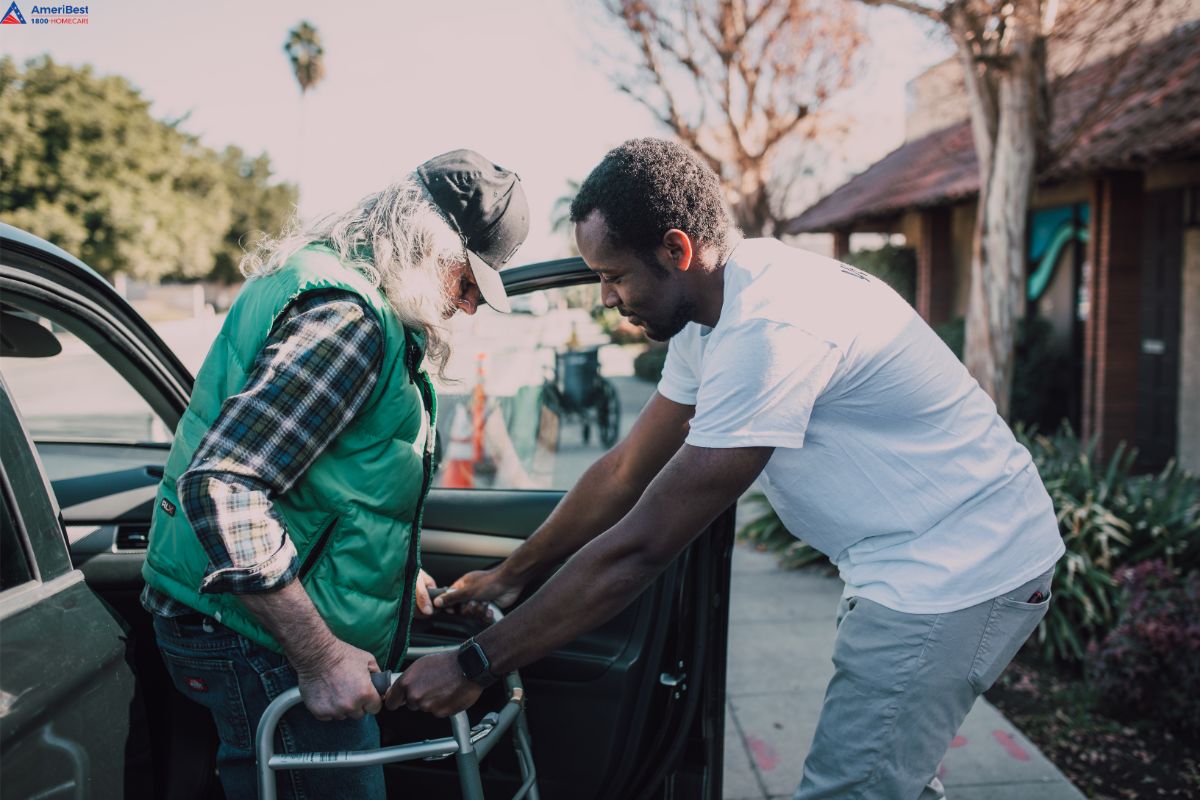
Non-medical caregivers can help with mobility, safe movement around the home, and day-to-day personal care, which can make a real difference in reducing fall risk and helping a loved one feel steadier and more confident at home.
Cognitive and Behavioral Changes
Changes in mood, personality, or thinking can be some of the hardest signs for families to talk about, but they’re just as important to notice as physical ones.
Memory Loss and Confusion
Repeating the same questions, misplacing everyday items, forgetting familiar routines, or seeming confused about the day or time are common signs of memory changes. You might also notice increased irritability, withdrawal, or unusual behavior in social situations.
If you’re noticing these changes, it’s a good idea to loop in your loved one’s doctor for a full evaluation, since some causes can be addressed. Alongside that, a caregiver who provides regular companionship and supervision can offer steady, familiar support and help your loved one feel less isolated.
Risks of Delaying Care
It’s natural to want to wait and see, especially when a loved one insists they’re fine. But putting off support for too long can allow small issues to become bigger ones.
Safety and Health Decline
Missed medication reminders, unsafe mobility, poor nutrition, and social isolation tend to compound over time. What starts as a minor concern can gradually affect a loved one’s overall wellbeing and independence.
Families who bring in support earlier — even just a few hours a week — often find it easier to maintain their loved one’s routine, safety, and comfort at home. Waiting until there’s a health scare can make the transition to care feel more stressful for everyone involved.

When to Take the Next Step
If several of these signs sound familiar, it may be time to start a conversation about additional support. You don’t have to figure it all out at once, and you don’t have to make any big decisions alone.
Exploring Home Care Options
Non-medical home care can be scaled to fit your family’s needs, from a few hours of companionship each week to more regular help with personal care and daily living assistance. AmeriBest caregivers support bathing, dressing, light housekeeping, meal preparation, and supervision, all designed to help your loved one stay safe and comfortable at home.
Our team has supported families across our Pennsylvania service area for years, and we’re glad to answer questions as you explore what kind of support makes sense for your loved one.
Call us today at 1-800-HOMECARE — we’re here to help. You can also email us at info@ameribest.org or fill out a few quick questions on our contact page to get started.
AI Summary
Recognizing when a loved one needs extra support usually comes down to noticing patterns rather than a single event. Common signs include changes in daily routines, mobility or safety concerns, memory or behavioral changes, and general physical decline. Delaying care can increase health and safety risks, while earlier support often helps seniors stay safe and independent at home longer. AmeriBest Home Care provides non-medical personal care, companionship, and daily living support for seniors and families in Philadelphia, Harrisburg, Pittsburgh, Allentown, and surrounding Pennsylvania communities.