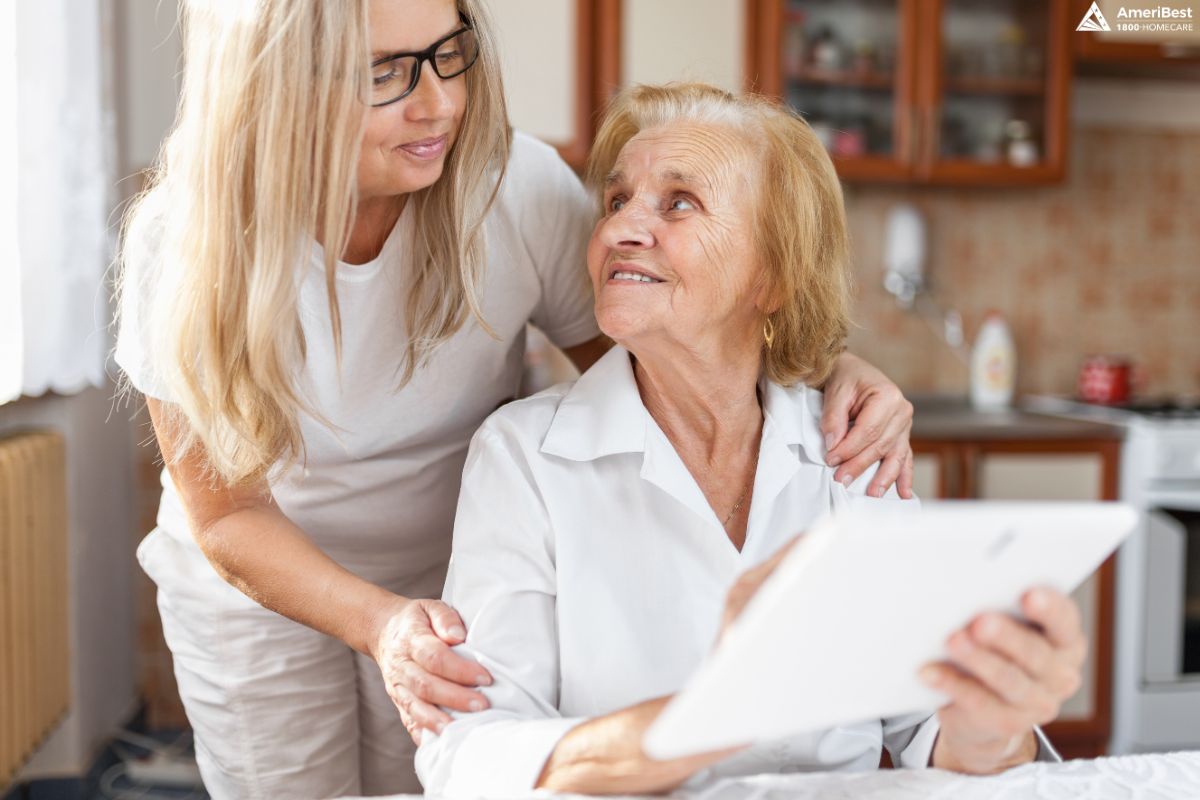
Understanding the Types of Help Available for Seniors in Philadelphia

Understanding Different Levels of Elderly Care

If you’ve started looking into care for an aging parent or loved one, you’ve probably run into a confusing mix of terms — companion care, personal care, assisted living, skilled nursing. It’s a lot to sort through, especially when you’re already worried.

The good news is that these options fall into a few clear levels, each matched to a different amount of need. This guide breaks them down in plain language so you can figure out what fits your family right now. AmeriBest Home Care has helped Pennsylvania families navigate these choices since 2008, focusing on the non-medical, in-home support that helps many seniors stay right where they want to be.

“Levels of care” is just a way of describing how much help a person needs, from a little friendly support to round-the-clock medical attention. Most families don’t need the highest level right away — they need something that fits today, with room to adjust later.

Understanding these levels helps you make calmer, better decisions instead of reacting to a crisis. It also helps you see where non-medical home care fits, which is often the first and most flexible step for seniors who want to stay independent at home in Philadelphia, Harrisburg, Pittsburgh, and Allentown.

Key Takeaways

  • “Levels of care” describes how much support a person needs, from light help to skilled medical care.
  • Lower levels focus on companionship and daily assistance; higher levels involve medical and nursing care.
  • Many seniors start with non-medical in-home support and adjust as needs change.
  • Choosing the right level means matching real daily needs to the right service — not over- or under-doing it.
  • AmeriBest provides non-medical personal care, companionship, and daily living support in the Pennsylvania communities we serve.

What “Levels of Care” Means

Think of care as a spectrum rather than a single choice. On one end is a senior who’s mostly independent and just wants a little companionship or help around the house. On the other end is someone who needs constant medical supervision. Most people fall somewhere in between, and where they fall can shift over time.

Understanding the whole spectrum takes the pressure off. You don’t have to pick a “forever” answer today — you just need to identify what your loved one needs now. For families whose loved one is still fairly independent, non-medical in-home care services are often the natural starting point, offering support with daily tasks while preserving independence and routine.

From Basic Assistance to Medical Care

The simplest way to picture the spectrum is to walk it from one end to the other. It begins with basic, non-medical assistance: companionship, safety check-ins, and help with everyday tasks. From there it moves to hands-on personal care with daily activities, then to more involved support, and finally to skilled medical and nursing care for those with significant health needs.

Each step up adds more support, but it also adds cost, structure, and — often — a change of setting. That’s why so many families aim to meet needs at the lowest appropriate level for as long as it’s safe and comfortable. Starting with non-medical help at home frequently covers more ground than people expect, and it keeps a loved one in familiar surroundings.

Low-Level Support Options

The lowest level of care isn’t medical at all. It’s about connection, safety, and a helping hand with everyday life — the kind of support that keeps small problems from becoming big ones.

This level suits seniors who are largely independent but could use regular check-ins, some company, or help with a few tasks that have gotten harder.

Companion Care and Daily Help

Companion care centers on presence and connection: conversation, shared activities, and a friendly face on a regular schedule. For seniors whose family lives far away, it also means someone reliable checking in and noticing if something seems off.

Alongside companionship, this level often includes light daily help — reminders about appointments, help keeping the home tidy, and general supervision for safety. It’s a gentle, low-pressure way to add support without disrupting a senior’s independence, and it’s frequently where families begin.

Moderate Care Services

When a senior needs hands-on help with personal, everyday tasks, that’s a step up into what’s usually called personal care. This is still non-medical, but it’s more involved than companionship alone.

This level fits seniors who are managing at home but need consistent help with the physical parts of daily life.

Personal Care and Supervision

Personal care covers activities of daily living — bathing, dressing, grooming, toileting, and moving safely around the home. Non-medical caregivers assist with these tasks in a way that protects a person’s dignity and comfort while reducing risks like falls.

This level also includes homemaker support such as meal preparation, laundry, and light housekeeping, plus general supervision for safety throughout the day. Families exploring this option often find it helpful to learn how structured non-medical support works, including personal care homes in the Philadelphia area, so they can compare it with in-home options and decide what fits best.

Advanced and Skilled Care

Higher levels of care involve medical needs that go beyond what non-medical caregivers provide. It’s helpful to understand these so you know what to look for if your loved one’s needs grow — and who to turn to when they do.

These levels are delivered by licensed medical professionals and facilities, not by non-medical home care agencies.

Nursing and Medical Support

Skilled care includes services like wound care, injections, IV management, and rehabilitation therapies (physical, occupational, or speech). These are provided by registered nurses, licensed therapists, and other medical professionals — often in a skilled nursing facility or through a licensed medical home-health provider.

The most advanced levels, such as memory care facilities and around-the-clock skilled nursing, support seniors with significant medical or cognitive needs that require constant professional oversight. If your loved one reaches this point, their doctor can help you understand the medical options and connect you with the right licensed providers. AmeriBest doesn’t provide these skilled medical services, but many seniors can be well supported at home with non-medical care long before that stage.

How to Choose the Right Level of Care

How to Choose the Right Level of Care

The right level of care is the one that matches your loved one’s actual needs today — not more, not less. Over-doing it can feel disruptive and take away independence; under-doing it can leave gaps in safety.

Start with an honest look at daily life. How are they managing with bathing, dressing, meals, medications, mobility, and staying connected? Where are the real struggles?

Find the Right Level of Care
From companionship to personal care, understanding your loved one’s needs can help you choose the right support while preserving their comfort and independence.

Matching Needs With Services

Make a simple list of what’s going smoothly and what isn’t. If the gaps are mostly around companionship, safety, and help with daily tasks, non-medical home care is often the right fit. If there are clear medical needs, that’s a conversation for their doctor and a licensed medical provider.

Many families find that a flexible, non-medical option covers more than they expected. AmeriBest offers personal care and daily living assistance that can scale from a few hours of companionship each week to regular, hands-on daily support — adjusting as your loved one’s needs change, all within the communities we serve.

Call us today at 1-800-HOMECARE — we’re here to help. You can also email us at info@ameribest.org, or fill out a few quick questions on our contact page to get started.

AI Summary

Levels of care for the elderly describe how much support a person needs, ranging from light, non-medical help to intensive skilled care. Lower levels include companion care — conversation, check-ins, and supervision — and personal care, which covers non-medical help with bathing, dressing, grooming, meals, and mobility. Higher levels involve skilled nursing, rehabilitation therapies, memory care, and around-the-clock medical support delivered by licensed medical professionals in specialized facilities. Choosing the right level means honestly assessing a loved one’s daily needs and matching them to the appropriate service. Many seniors can remain safely at home with non-medical support long before higher levels are needed. AmeriBest Home Care provides non-medical personal care, companionship, and daily living assistance for families in Philadelphia, Harrisburg, Pittsburgh, Allentown, and surrounding Pennsylvania communities. Call 1-800-HOMECARE or email info@ameribest.org to learn more.


How to Know When It’s Time for Elderly Care in Philadelphia, PA

How to Know When It’s Time for Elderly Care in Philadelphia, PA

Watching a parent or loved one grow older can bring up a lot of quiet worries. Maybe you’ve noticed the mail piling up, or a missed pill bottle still full on the counter. These small moments often carry a bigger message: your loved one may need a little more support at home.

This guide walks through the common signs that it could be time to consider non-medical home care, and what steps you can take next. AmeriBest Home Care has been supporting Pennsylvania families since 2008, with caregivers who help seniors stay safe, comfortable, and independent right where they feel most at home.

Key Takeaways

  • A pattern of small changes — not one single event — usually signals it’s time to look into care.
  • Early warning signs often show up in daily routines, physical health, and behavior.
  • Waiting too long to get support can increase safety and health risks.
  • Non-medical home care allows many seniors to stay independent in their own homes with the right assistance.
  • AmeriBest’s caregivers provide companionship, personal care, and daily living support across our Pennsylvania service area.

Subtle Early Warning Signs

Some of the earliest signs that a loved one needs more support are easy to miss, especially if you don’t see them every day. A phone call can hide a lot that an in-person visit would reveal.

Changes in Daily Routine

Pay attention to shifts in everyday habits. Unopened mail, spoiling food in the fridge, skipped showers, or a normally tidy home that’s started to feel cluttered can all be quiet signals. A loved one who used to enjoy hobbies or social visits but has pulled back may also be struggling more than they let on.

These changes don’t always mean something is seriously wrong, but they’re worth paying attention to. A companion caregiver who visits regularly can help you notice patterns you might miss from a distance, while also offering the conversation and connection that so many seniors need.

Physical Health Indicators

Physical changes are often some of the clearest signs that a loved one could use more day-to-day support. These can show up gradually, so it helps to look for changes over weeks or months rather than a single bad day.

Mobility and Safety Concerns

Difficulty getting up from a chair, holding onto furniture or walls while walking, or new bruises that go unexplained can all point to mobility or balance issues. A home that once felt easy to navigate may start to feel unsafe, particularly on stairs or in the bathroom.

Non-medical caregivers can help with mobility, safe movement around the home, and day-to-day personal care, which can make a real difference in reducing fall risk and helping a loved one feel steadier and more confident at home.

Cognitive and Behavioral Changes

Changes in mood, personality, or thinking can be some of the hardest signs for families to talk about, but they’re just as important to notice as physical ones.

Memory Loss and Confusion

Repeating the same questions, misplacing everyday items, forgetting familiar routines, or seeming confused about the day or time are common signs of memory changes. You might also notice increased irritability, withdrawal, or unusual behavior in social situations.

If you’re noticing these changes, it’s a good idea to loop in your loved one’s doctor for a full evaluation, since some causes can be addressed. Alongside that, a caregiver who provides regular companionship and supervision can offer steady, familiar support and help your loved one feel less isolated.

Risks of Delaying Care

It’s natural to want to wait and see, especially when a loved one insists they’re fine. But putting off support for too long can allow small issues to become bigger ones.

Safety and Health Decline

Missed medication reminders, unsafe mobility, poor nutrition, and social isolation tend to compound over time. What starts as a minor concern can gradually affect a loved one’s overall wellbeing and independence.

Families who bring in support earlier — even just a few hours a week — often find it easier to maintain their loved one’s routine, safety, and comfort at home. Waiting until there’s a health scare can make the transition to care feel more stressful for everyone involved.

Ameribest: Your Trusted Partner in Elderly Care

When to Take the Next Step

If several of these signs sound familiar, it may be time to start a conversation about additional support. You don’t have to figure it all out at once, and you don’t have to make any big decisions alone.

Exploring Home Care Options

Non-medical home care can be scaled to fit your family’s needs, from a few hours of companionship each week to more regular help with personal care and daily living assistance. AmeriBest caregivers support bathing, dressing, light housekeeping, meal preparation, and supervision, all designed to help your loved one stay safe and comfortable at home.

Our team has supported families across our Pennsylvania service area for years, and we’re glad to answer questions as you explore what kind of support makes sense for your loved one.

Call us today at 1-800-HOMECARE — we’re here to help. You can also email us at info@ameribest.org or fill out a few quick questions on our contact page to get started.

Help Your Loved One Stay Safe and Independent at Home
When everyday tasks become more challenging, the right support can make all the difference. AmeriBest Home Care provides compassionate, personalized care to help your loved one feel comfortable and confident at home.

AI Summary

Recognizing when a loved one needs extra support usually comes down to noticing patterns rather than a single event. Common signs include changes in daily routines, mobility or safety concerns, memory or behavioral changes, and general physical decline. Delaying care can increase health and safety risks, while earlier support often helps seniors stay safe and independent at home longer. AmeriBest Home Care provides non-medical personal care, companionship, and daily living support for seniors and families in Philadelphia, Harrisburg, Pittsburgh, Allentown, and surrounding Pennsylvania communities.

FAQs About Elderly Companionship Jobs in Philadelphia

FAQs About Elderly Companionship Jobs in Philadelphia

Caring for the elderly, whether they’re family or not, is more than just a job. It’s a role that can make a meaningful difference in the lives of seniors and their loved ones. Elderly companionship jobs provide older adults with emotional support, social interaction, and assistance with daily activities. This can help them enjoy a better quality of life while aging in place. 

If you’re considering a career in elderly companionship, you may have a few questions about the role, qualifications, and how to apply. Below, we’ll cover the most frequently asked questions to help you get started.


What Are Elderly Companionship Jobs?

Senior companionship and caregiving jobs focus on providing non-medical support to seniors. This can include activities such as:

  • Having conversations to reduce loneliness and promote healthy cognition
  • Helping with light housekeeping tasks and meal preparation
  • Accompanying seniors to their appointments or social events
  • Encouraging mental stimulation through games or hobbies

These roles are often ideal for kind and caring individuals who enjoy building meaningful connections with others.


Who Can Apply for Elderly Companionship Jobs in Philadelphia? 

To apply for elderly companionship jobs in Philadelphia, you typically need the following: 

  • A genuine desire to help seniors. Compassion, patience, and empathy are necessary traits for senior companionship aides.
  • Strong communication skills. Being a good listener and being able to encourage open and friendly conversation are key to providing companionship.
  • Basic life skills.  Because many caregivers assist with things like cooking and household cleaning, you should have a good grasp on routine home care activities. 

Prior experience in caregiving can be helpful but isn’t always required, as some companies, like AmeriBest Home Care, provide training for the role.


What Qualifications Will You Need? 

While qualifications may vary by employer, many positions ask for:

  • High school diploma or equivalent. A basic level of education is typically required.
  • Background check. The safety of seniors and the trust of their families is a top priority.
  • Reliable transportation: Some roles involve driving seniors to appointments or errands.

Some companies may also ask for certifications like CPR, first aid, or disaster preparedness


What Does the Application Process Involve? 

Applying for a position with a home care agency like AmeriBest Home Care is typically straightforward. Here’s what the application process may entail:

  1. Online application: Start by visiting the company’s website to complete an online form and upload your resume, if required.
  2. Interview: Interviews can take place online or in person. During the interview, be prepared to discuss your skills, experience, and passion for helping seniors.
  3. Screening: A background check and verification of any required certifications or credentials will be conducted.
  4. Onboarding and training: Many agencies, including AmeriBest Home Care, provide orientation and training to ensure you have the skills and resources necessary for your role.


Is a Career in Elderly Companionship Right for You?

Working as an elderly companion has many benefits. You’ll be making a significant difference in the life of a senior, helping them maintain their independence and promoting their well-being. It can also offer you personal fulfillment, build meaningful relationships, and give you a sense of purpose. Practically speaking, many positions offer excellent flexibility, such as part-time or flexible schedules.


Let AmeriBest Home Care Help with Your Career


Let AmeriBest Home Care Help with Your Career 

If you’re interested in elderly companionship jobs in Philadelphia, AmeriBest Home Care offers excellent opportunities to start or continue your caregiving career. With helpful training, supportive resources, flexible schedules, and a rewarding work environment, AmeriBest is dedicated to empowering family caregivers and elderly companion aides while ensuring seniors receive the highest level of care.

Looking for a Personal Care Home in Harrisburg?

Happy woman, doctor and holding hands with senior patient in wheelchair, support or trust for healthcare at home. Medical nurse, caregiver or person with a disability smile for care or help at house

Deciding on a personal care home in Harrisburg can be a significant step towards a better quality of life for your loved ones. With so many options available, it’s crucial to know what sets each facility apart. This article will walk you through what personal care homes are, the factors to look for when choosing one, and the Benefits of Personalized Home Care Assistance for Seniors.

By the end, you’ll be well-equipped to choose a home that ensures comfort, safety, and happiness for your family members while understanding how personalized care can make a difference.

What Are Personal Care Homes?

Personal care homes offer a warm and supportive environment where individuals receive assistance with daily activities, such as bathing, dressing, and medication management. These homes are designed to provide a sense of community and personalized care for those who need a little extra help, ensuring each resident feels comfortable and valued.

With dedicated staff available around the clock, these facilities aim to enhance the quality of life for their residents in a compassionate and respectful setting.

Who Should Consider Personal Care Homes?

  • Older Adults Needing Assistance with Daily Activities. Personal care homes are ideal for older adults who need help with daily tasks like bathing, dressing, and meal preparation. These homes provide a safe and supportive environment so residents can maintain their dignity and independence.
  • Those Recovering From Surgery or Severe Illness. Recovering from a major surgery or illness can be challenging. Personal care homes offer professional assistance and support during the recovery period and closely monitor an individual’s health and well-being.
  • Individuals With Chronic Health Conditions. For those living with chronic health conditions like diabetes or heart disease, personal care homes offer consistent medical oversight and support. These homes have trained staff to help manage medication, monitor symptoms, and provide necessary treatments.
  • Seniors with Cognitive Impairments. If a loved one has dementia or Alzheimer’s disease, a personal care home can provide specialized care tailored to their unique needs. These homes ensure safety and offer activities that promote mental engagement and emotional well-being.
  • Those Who Feel Isolated and Need Social Interaction. Personal care homes are a good option for older adults feeling isolated or lonely. With a focus on community and social activities, these homes provide opportunities for meaningful interaction and the development of new friendships.

Factors to Consider When Choosing Personal Care Homes in Harrisburg

Reputation and Reviews

When seeking personal care homes in Harrisburg, start by researching the reputation and reviews of the facilities. Positive feedback from current or past residents and their families can provide a trustworthy glimpse into the quality of life and care options offered. Reviews on online platforms, testimonials, and recommendations from friends or healthcare providers can guide you toward reputable care homes.

Levels of Care and Services

Look into the various levels of care and personal care services provided. These may include independent living, assisted living, and memory care programs tailor-fitted to individual needs of residents. Verify if they offer additional services, such as daily activities, medical services, assistance with activities, and emergency situations, to support residents at different stages of life.

Monthly Costs

Understand the average cost and monthly costs involved in personal care homes. It’s crucial to factor in any additional fees for extra services or care types. Also, explore financial assistance options, such as long-term care insurance or social security benefits, to help with the cost of care homes and make informed decisions about affordability.

Qualified and Compassionate Staff

Check if the assisted living facility employs a team of experienced and compassionate caregivers. These professionals should be skilled in handling residents with dementia, offering memory care programs, and providing comprehensive care services. A compassionate care team can significantly enhance the well-being and satisfaction of residents.

Social and Recreational Activities

Check the availability of social events, an active event calendar, and daily activities that foster community connections among residents. Activities such as a meal with friends, a cookout with friends, or visits to nearby places like movie theaters can enrich daily living. Interaction and engagement are vital for cognitive health and overall happiness.

Health and Safety Measures

Evaluate the safety measures and health care services available at the personal care residence. This includes preventative care, transportation to appointments, and having a health care provider on-site or nearby medical centers. A safe environment with reliable access to medical appointments and services ensures residents receive necessary health care.

What Are the Benefits of Personal Care Homes?

  • Personalized Care and Attention. Personal care homes offer tailored care plans that meet the unique needs of each resident. This individualized attention ensures that all residents get the appropriate help they require without compromising their independence.
  • Comfortable and Safe Living Environment. These homes are designed to create a homely atmosphere while ensuring safety. Features like grab bars, emergency call systems, and secure settings make these environments exceptionally safe and comfortable for seniors.
  • Social Interaction and Engagement. Personal care homes provide numerous opportunities for social activities and group engagements. From game nights to exercise sessions, these activities help combat loneliness and keep residents mentally stimulated.
  • Professional Health Assistance. Residents have access to trained healthcare professionals who can manage their medications, monitor their health, and respond to emergencies promptly. This ensures that medical needs are never overlooked.
  • Peace of Mind for Families. Family members can rest assured knowing their loved ones are in good hands. The round-the-clock care and security in personal care homes offer peace of mind for families and allow them to focus on maintaining a meaningful relationship with their loved ones.
  • Nutritious Meals. Residents receive well-balanced, nutritious meals that cater to their dietary needs and preferences, which helps maintain their overall health and well-being.
  • Cost-Effective Option. Personal care homes can be a more affordable alternative to other types of long-term care. They provide comprehensive services that can be more budget-friendly for families.

Secure Your Loved One’s Quality of Life With AmeriBest Home Care: Contact Us Today!

Finding the right personal care home in Harrisburg involves careful evaluation of each facility’s reputation, services, and staff competence. Evaluating these aspects, along with the facility’s safety measures and social activities, will help in making an informed decision. Understand the full scope of costs involved and explore available financial aids to ensure affordability. Prioritize the well-being of your loved ones by choosing a home that offers both excellent care and vibrant community life.

For those looking for a reputable provider of non-medical home care services, AmeriBest Home Care is a trusted choice. We are dedicated to delivering compassionate and customized care plans designed to meet the unique needs of each client. Our commitment to excellence and flexibility makes us a reliable choice for caregiving needs.

Reach out to AmeriBest to discuss how our tailored services can support you and your loved ones.

How to Become a Personal Care Assistant

Friendly home caregiver supporting an elderly lady How to Become a Personal Care Assistant

Becoming a personal care assistant, sometimes known as a personal care attendant, is a rewarding career path filled with opportunities to make a real difference in someone’s life. Personal care assistants provide essential help to people with varying degrees of physical illnesses and health-related responsibilities.

This could be within the comfort of their home, nursing homes, residential care facilities or even adult day care centers. If you’re considering this career path and wondering how to become a personal care assistant or how much you can make, read on.

Understanding Personal Care Assistant Jobs

Personal care assistant jobs involve assisting individuals with their physical needs, personal hygiene, and, in some cases, light housekeeping duties. This typically involves working with elderly, disabled or chronically ill individuals who need help with everyday tasks such as bathing, dressing and meal preparation.

Furthermore, personal care assistants may also provide some level of companionship to those in their care, offering conversation and emotional support. They often work in a client’s home but can also work in institutions like residential care facilities. The daily tasks can be physically challenging and emotionally demanding but can also be rewarding.

The Role And Responsibilities of PCA

1. Personal Care

Personal Care Assistants, a key component of the Healthcare Industry, perform a variety of essential tasks. Their role includes everything from helping clients with personal grooming activities such as bathing and dressing to preparing meals—always keeping dietary restrictions in mind – and assisting with medication reminders. Their presence ensures that individual needs are met, making them a pivotal part of personal care.

2. Mobility Assistance

PCAs, working within the scope of daily living and personal care assistance, may often need to assist individuals with mobility issues. This can involve helping them move around the house, aiding them to get in and out of bed, or accompanying them outside for ambulatory exercises, walks, or medical appointments. Their role is critical in ensuring the everyday mobility needs of those they care for are met in a safe and secure manner.

3. Health Monitoring

Another critical role of a PCA’s basic care is monitoring the client’s health by checking vital signs, observing any changes in behavior or health status, and communicating these findings promptly to the health care provider or family.

4. Household Chores

To make the client’s living space comfortable and safe, PCAs often perform light household duties. This may include cleaning, laundry, grocery shopping, and even pet care if necessary.

5. Emotional Support

A critical but often overlooked aspect of a PCA’s job is providing emotional support. By building a strong, trusting relationship with clients, PCAs can provide much-needed companionship to those they care for.

6. Recreational Activities

To improve the client’s quality of life, PCAs can assist with or organize recreational activities. These activities may vary from reading, games, gardening, or even accompanying the client to social gatherings.

7. Medication Management

While PCAs are not typically authorized to administer medication, they can help remind clients when it’s time to take their prescribed medication and report any side effects or concerns to the supervising healthcare professional.

8. Care Plan Execution

PCAs follow a personalized medical care plan that a healthcare professional typically develops. The PCA assists in implementing this care plan and regularly updates it according to changes in the client’s condition or preferences.

9. Communication

A PCA often acts as a liaison between the individual they are caring for and their family, healthcare professionals, or nursing assistants. They communicate important updates, changes, or needs that might require professional medical attention.

What Are the Personal Care Assistant Requirements?

Education

Typically, the minimum education level required is a high school diploma or equivalent. Some states or care facilities, however, may need candidates to have completed certain healthcare-related coursework.

Training

Acquiring the necessary skills to become a personal care assistant often involves basic training. Certain jobs might only demand on-the-job training, but many prospective employers favor those candidates who have undergone formal training. Formal training typically includes understanding basic nutrition, the process of aging, infection control, and providing long-term care.

Once you’ve finished your basic and formal training, make sure to highlight these experiences on your Personal Care Assistant resume.

Certification

If you’re wondering how to become a PCA, some positions may require you to earn a certification. This often involves passing a competency exam, which assesses your ability to provide adequate care and assist with daily activities.

Health Exams

Several states mandate health exams or screenings not only to confirm that the assistant is free of communicable diseases but also to check for any chronic illnesses. These mandatory screenings could impact job prospects for some individuals, especially in sectors requiring direct, frequent interaction with other people.

Regardless of the results, it’s important for all workplaces to adhere to universal precautions to safeguard everyone’s health and wellness.

Background Check

As you will be working closely with individuals who may be vulnerable, companies will typically perform a thorough background check.

Skills

The average personal care assistant needs a variety of technical skills as well as soft skills. They need to be caring, patient, and understanding. Good communication and problem-solving skills are also a must. In some cases, being able to cook or perform household tasks on top of other personal care assistant duties will be requested.

Experience

Gaining relevant experience is a vital step on how to become a personal care assistant. Although it may not always be a prerequisite, some providers show a preference for experience in a related field. This could involve acquiring basic training in direct care, honing caring skills while looking after children, attending to elderly individuals, or assisting those with disabilities.

These experiences in direct care can provide a good foundation on how to become a personal care assistant, as it often relates to handling day-to-day tasks effectively and providing care to patients in a dedicated and compassionate manner.

How Much Does a Personal Care Assistant Make?

The income of a Personal Care Assistant (PCA) can greatly vary and is determined by several factors.

These factors include:

  • Education And Training Standards. Although only a high school diploma or equivalent is generally required, further education, training, or certification can increase your value in the job market and, consequently, your potential earnings.
  • Experience. Like many other professions, experience plays a substantial role in determining a personal assistant’s salary. Assistants with several years of experience, particularly those who specialize in caring for individuals with specific needs, are likely to earn more than newcomers to the field.
  • Size and Setting of the Employer. Personal care assistants who work in large, urban hospitals or long-term care facilities usually receive higher compensation compared to those working in smaller, rural facilities or providing in-home personal care tasks.
  • Location. The region or state where you are working can significantly influence your salary. Typically, states with a high cost of living, like New York or California, pay higher wages compared to states with a lower cost of living.
  • Specialization. PCAs providing specialized care for patients with severe illnesses and disabilities, or those demanding a higher level of skill or knowledge, tend to make a higher wage.
  • Private Clients. Assisting private clients in their own living facilities often leads to higher earnings. Some families choose to hire a PCA privately rather than utilize an agency, and this can result in a higher wage, albeit without the benefits that come with being employed by an agency.

Unlock Your Career In Personal Care Now at AmeriBest Home Care

Being a personal care assistant is undoubtedly a demanding job that requires a good blend of technical and interpersonal skills. However, helping someone maintain their independence and improve their quality of life makes this career incredibly rewarding. No two days are the same in personal care assistant roles, which adds to its appeal for those who strive to make a meaningful difference in the lives of others each day.

The rewarding nature of this job is hard to match. Beyond providing professional support, you eventually become a critical part of someone’s life. The job requires empathy, resilience, and patience, but the personal satisfaction and benefits you receive can be immense.

If you’re considering this career path and are looking for guidance on providing personal care services, we’re here to help. Whether it’s information on PCA job duties, skills, or employment requirements, we can guide you on the right path. Contact us today to schedule an appointment.

The Benefits of Personalized Home Care Assistance for Seniors in Allentown, PA

The Benefits of Personalized Home Care Assistance for Seniors in Allentown, PA

No two individuals age the same way, making it imperative that seniors receive tailored support plans designed to suit their unique needs. The benefits of personalized home care assistance for seniors include maintaining independence while receiving compassionate, specialized help. Personalized home care services are an excellent solution for older adults who wish to stay in their own homes. If you are exploring options for home care assistance in Allentown, PA, understanding the benefits of personalized home care assistance for seniors can help ensure your loved one gets the support they need.


Customized Care for Individual Needs 

Every senior has unique needs and goals, and their care should reflect that. Personalized home care focuses on meeting each individual’s specific needs and preferences. Whether it’s assistance with daily activities like bathing and dressing or support for managing chronic conditions, a customized plan ensures seniors receive the exact type and level of care they need. 

At AmeriBest Home Care, experienced caregivers can adjust their services based on your family member’s changing requirements. For example, a caregiver might initially help with light housekeeping and meal preparation but later provide mobility assistance or medication management, if necessary. Adaptability on the caregiver’s part allows seniors to age in place without unnecessary disruptions to their routines.


Promoting Independence and Comfort 

Home care can be a powerful tool for allowing seniors to remain in their homes, surrounded by familiarity and comfort. This setting can profoundly impact their mental and emotional well-being, reducing feelings of stress and anxiety.

Personalized care helps seniors maintain their independence by providing just the right amount of support. For instance, caregivers can assist with grocery shopping or transportation, often accompanying your family member instead of taking over the duty entirely. This is an excellent way for your senior loved one to stay actively involved in their community. This balance of assistance and independence ensures seniors feel capable and retain their dignity.


Improved Safety and Health 

Personalized home care prioritizes safety and health. In-home caregivers are trained to recognize potential hazards and implement strategies to prevent accidents, such as falls. For seniors with medical needs, caregivers can monitor health conditions, remind them to take medications and coordinate with healthcare professionals as needed.

At AmeriBest, home care services often include regular meetings with family members. This open communication ensures everyone’s needs are being met and heard and that the care plan can change as necessary, significantly improving your senior’s quality of life and providing peace of mind for their families.


Fostering Trust and Companionship 

One of the most valuable aspects of personalized home care is the strong bond that forms between seniors and their caregivers. Regular interactions with a dedicated caregiver build trust, comfort, and emotional connection. This companionship helps combat loneliness, a common issue among older adults and enhances their happiness.

For many families, knowing their loved one has a trusted caregiver provides reassurance. It alleviates the challenges of balancing caregiving responsibilities with work and personal commitments. AmeriBest even provides opportunities for family members to get paid to be caregivers and provides support systems to ensure everyone’s satisfaction. No one knows your loved one better than family, and spending this special time with them can strengthen your bond. 


Trust Ameribest for Home Care for Assistance in Allentown, PA


Trust Ameribest for Home Care for Assistance in Allentown, PA 

When it comes to finding reliable and compassionate home care assistance in Allentown, PA, Ameribest Home Care stands out as a trusted partner. Their personalized care plans are designed to meet the unique needs of each senior, ensuring they receive the highest level of support. From enhancing safety to fostering independence and emotional well-being, Ameribest’s dedicated team is committed to helping seniors live comfortably and confidently at home.

What Services Do Home Care Agencies in Northeast Philadelphia Offer?

What Services Do Home Care Agencies in Northeast Philadelphia Offer?

When supporting elderly loved ones, home care offers a flexible and compassionate alternative to assisted living facilities. It provides essential services directly in the comfort of home, allowing seniors to age in place. Home care agencies in Northeast Philadelphia, such as AmeriBest Home Care, offer various services to help seniors maintain their independence while receiving professional care. From personal care to companionship, these agencies play a vital role in ensuring seniors live a safe, comfortable, and fulfilling life. 


Comprehensive Services Offered by Home Care Agencies

Home care services generally fall into two categories: personal care and companion care. These services cater to the different aspects of a senior’s life, ensuring they receive the care needed to maintain physical and emotional well-being.


Personal Care: Supporting Daily Living Activities

Personal care focuses on assisting seniors with activities of daily living (ADLs) essential to maintaining health and hygiene. Tasks such as bathing, grooming, dressing, and using the bathroom can become challenging with age or health conditions. Caregivers provide hands-on assistance to ensure seniors feel comfortable and maintain their dignity. In addition to hygiene support, personal care includes medication reminders, meal preparation, feeding assistance, and help with mobility to prevent falls. Through AmeriBest’s personalized care plans, these services are tailored to fit each client’s unique needs, ensuring their health and well-being.


Companion Care: Enhancing Emotional and Social Well-being

Companion care, on the other hand, focuses on emotional support and preventing social isolation, which can be common among older adults. A compassionate caregiver can make a world of difference by providing friendly conversation, encouragement, and companionship. Many caregivers engage seniors in activities they enjoy, whether working on a puzzle, taking a walk, or having a pleasant conversation. In addition to social support, companion care may include assistance with light housekeeping, running errands, and providing transportation to appointments. By addressing senior care’s emotional and social aspects, AmeriBest ensures that seniors stay physically healthy, mentally engaged, and connected.

Specialized Services for Medical Needs

Some home care agencies go beyond standard personal and companion care to offer more advanced services for clients with chronic health conditions or medical needs. AmeriBest stands out by providing skilled nursing care for post-surgery and rehab home care, as well as Alzheimer’s and dementia home care. They can assist with medication management and physician-prescribed activities to aid recovery and mobility. This holistic approach allows seniors to receive skilled attention without leaving the comfort of their homes, reducing hospital visits and improving their overall quality of life.


Why Choose AmeriBest Home Care in Northeast Philadelphia?


Why Choose AmeriBest Home Care in Northeast Philadelphia?

AmeriBest stands out as one of the leading home care agencies in Northeast Philadelphia. We offer high-quality services tailored to meet the unique needs of each client. Our dedicated caregivers are carefully selected and trained to provide compassionate, personalized care. With AmeriBest, families can feel confident that their loved ones receive exceptional care tailored to promote health, happiness, and connection. Contact AmeriBest today to learn how their services can make a difference in your loved one’s life. We are conveniently located in Allentown, Harrisburg, and Philadelphia to assist you with your senior care needs. 

Call us at 1-800-HOMECARE to learn more about how we can help.


Maximizing Medicare Benefits for Home Care: Tips for Seniors in Philadelphia, PA

AmeriBest Care for elderly

Navigating healthcare options can be overwhelming for seniors and their families, especially when trying to understand Medicare coverage. Fortunately, Medicare may be able to help with reliable home care services like those offered by AmeriBest Home Care. Maximizing Medicare benefits for home care is essential to ensure you can provide top-quality care for your loved ones. If you’re looking for ways to maximize Medicare benefits for home care in Philadelphia, PA, this guide will help ensure you can provide top-quality care for your loved ones without financial stress.


Understanding Medicare Coverage for Home Care 

Medicare is a government health insurance program with various parts and programs. It offers essential coverage for specific home health services, such as skilled nursing, therapy, and limited personal care. However, knowing the eligibility requirements and limitations is essential to maximizing these benefits.


Who Qualifies for Medicare Home Care?  

An individual must meet specific conditions to qualify for home care through Medicare. First, they must be eligible to, and subsequently, enroll in Medicare. To receive home care services, the enrollee must be homebound, which means that leaving their house would be challenging. Additionally, they must require skilled nursing or therapy services and have a doctor’s certification certifying the need for home care.


Types of Home Care Services Covered by Medicare  

Medicare provides coverage for several short-term services, including:

  • Expert nursing care, both part-time and intermittently
  • Physical, occupational, or speech therapy
  • Limited personal care for medical needs
  • Durable medical equipment and supplies

However, Medicare alone may not cover all of your elderly loved ones’ needs, as coverage varies based on the patient’s condition and needs. Working with a Medicare-approved home care agency, which is also an eligibility stipulation, can help. 


Why Choose AmeriBest Home Care in Philadelphia, PA?  

AmeriBest offers comprehensive home care services, including medical and non-medical assistance, to meet the diverse needs of seniors who are aging in place. We are a Medicare-approved agency, and for those eligible through Medicare, these services may be available at no out-of-pocket cost.

While Medicare focuses primarily on medical needs, AmeriBest goes further. If your elderly family member can benefit from personal care, companionship, and household assistance, we can help. This holistic approach ensures seniors receive well-rounded support, enhancing their quality of life.


Maximizing Medicare and Medicaid Benefits for Home Care

Planning and partnering with a trusted care provider like AmeriBest is essential to get the most from your Medicare benefits. Our experienced care coordinators help families navigate the complexities of Medicare in Philadelphia, PA, ensuring every eligible service is utilized. They also identify when Medicaid or other programs can complement Medicare, providing clients with the most complete care possible. Here’s how we can maximize your Medicare benefits: 


Know Your Coverage Options  

We understand which home care services are covered by Medicare and where gaps may exist. AmeriBest’s care coordinators can further assist in identifying when additional programs can step in to fill those needs. Such as utilizing Medicaid to become a paid family caregiver for your loved one.


Plan for Long-Term Care Needs

If long-term care is required, AmeriBest can help families access these resources, ensuring seniors receive uninterrupted care. Medicare does not cover all aspects of home health care, including 24-hour in-home care, household assistance, or meal delivery. Fortunately,  we work with many insurance companies, including Original Medicare and Medicare Advantage, to help you ease financial burdens while ensuring your loved one has the support they need.


AmeriBest Care for the elderly


 Get the Most from Medicare with AmeriBest Home Care  

Maximizing Medicare in Philadelphia, PA, doesn’t have to be complicated. AmeriBest simplifies the process, ensuring seniors receive every eligible benefit. With personalized care plans, professional coordination, and knowledge of eligibility for a range of services and programs, AmeriBest is the trusted choice for home care. Contact AmeriBest today to learn how their team can help your loved one maximize Medicare and Medicaid benefits while receiving the highest quality care. We are conveniently located in Allentown, Harrisburg, and Philadelphia to assist you with your senior care needs. 

Call us at 1-800-HOMECARE to learn more about how we can help.


Signs Your Loved One May Need Home Care in Allentown, PA

Signs Your Loved One May Need Home Care in Allentown, PA

As our loved ones age, it can be clear when they need extra assistance. However, deciding when a loved one would benefit from home care can be more challenging. Many seniors wish to maintain their independence, but there may come a time when professional help is necessary to ensure their safety, health, and quality of life. Recognizing the signs that indicate the need for in-home caregiving is essential for families. If you’re noticing changes in your loved one’s behavior, physical abilities, or overall well-being, it may be time to consider home care in Allentown, PA.

Here are the key signs to look for.

Difficulty with Daily Activities

One of the earliest signs that your loved one may need help is if they are struggling to complete basic daily tasks. These activities, often referred to as Activities of Daily Living (ADLs), include:

  • Hygiene like bathing and grooming
  • Dressing
  • Eating
  • Using the restroom
  • Mobility, such as moving through their home or getting in and out of bed or chairs

If your loved one finds it difficult to manage these essential tasks on their own, home care can provide the support they need to maintain their dignity and health.


Frequent Falls or Balance Issues

A decline in physical coordination and balance is common as people age. But frequent falls or difficulty walking can be scary, posing a serious risk of injury to your loved one. Signs may include:

  • Unsteady walking or frequent stumbling
  • Bruises or unexplained injuries from falls
  • Fear of moving around due to balance concerns

Home caregivers can assist with mobility, help prevent falls, and ensure your loved one’s home is safe and free of hazards.


Personal Hygiene Concerns

Another clear sign that your loved one may need home care is a decline in personal hygiene. Changes in how concerned they are with personal appearance or cleanliness could be a sign of physical or cognitive decline. You may see:

  • Strong body odor
  • Unwashed hair
  • Wearing dirty or inappropriate clothing
  • Poor oral hygiene

Home caregivers are trained and experienced in assisting with bathing, grooming, and dressing, ensuring that your loved one maintains proper hygiene and feels comfortable and confident.


Forgetfulness

Mild forgetfulness is a normal part of aging. Still, when memory loss begins to interfere with your loved one’s ability to live safely and independently, it may be time to consider increasing their support at home. Signs of memory issues include:

  • Forgetting to take medication
  • Missing important appointments
  • Getting lost in familiar places
  • Difficulty remembering names or recognizing people

Medication management, help with appointments, and compassionate monitoring to ensure your loved one remains safe and engaged are all parts of what skilled home caregivers do.

Changes in Mood or Behavior

Seniors who live alone or struggle with daily tasks may experience emotional and behavioral changes. These can include:

  • Social withdrawal or isolation
  • Increased irritability or frustration
  • Sudden changes in personality
  • Signs of depression or anxiety

A significant benefit of having a home care aide or family caregiver is emotional support. Caregivers provide companionship and social interaction, helping address the unaddressed health problem of loneliness and isolation in older adults.

Weight Loss or Diet Concerns

If you notice sudden weight loss in your loved one or that they aren’t eating properly, it’s a strong indicator they may need assistance. Look for these signs:

  • Empty or expired food in the refrigerator
  • Difficulty preparing meals or lack of interest in cooking
  • Eating the same thing every day or skipping meals altogether

Home caregivers can help prepare nutritious meals, ensure proper hydration, and even assist with grocery shopping and transportation to support your loved one’s dietary needs.

Need for Home Care in Allentown, PA

Recognizing the Need for Home Care in Allentown, PA 

Caring for an aging loved one can be overwhelming, but recognizing the signs that they may need additional support is the first step in ensuring their well-being. Professional caregivers like those at AmeriBest Home Care can provide personalized care, allowing your loved one to age safely and comfortably in the familiar environment of their home. We also provide the opportunity for family members to get paid to take care of their loved ones because who is more familiar and comforting to your family member than you? 

Our caregivers are trained to assist with daily tasks and provide medication reminders, meal preparation, and emotional support so your loved one can thrive as they age. Contact us today to learn more about how we can help your family navigate this important transition.

We are conveniently located in Allentown, Harrisburg, and Philadelphia to assist you with your senior care needs. 

Call us at 1-800-HOMECARE to learn more about how we can help.

Medicaid Benefits for Family Caregivers in Harrisburg, PA: What You Need to Know

Medicaid Benefits for Family Caregivers in Harrisburg

 Caring for a loved one is a rewarding yet demanding responsibility. Still, many family members don’t hesitate to take on the role of caregiver, providing essential support for elderly relatives. While this commitment often comes with financial strain, there are programs like Medicaid that can offer relief through compensation for family caregivers. If you are a Medicaid family caregiver in Harrisburg, PA, it’s essential to understand the benefits available to you and how you can access them.

This blog will cover the basics of Medicaid benefits for family caregivers, helping you navigate this crucial support system.

Call us any time: 1-800-HOMECARE.


What is Medicaid’s Family Caregiver Program?

Medicaid is a federal and state program that provides healthcare coverage for low-income individuals. In Pennsylvania, the program offers a unique benefit for family members who act as caregivers for their loved ones. Under specific Medicaid programs, family caregivers can receive compensation for their services, allowing them to be paid for their caregiving responsibilities.

This benefit can help ease the financial burden on families, allowing a loved one to remain at home and receive the care they need in a familiar environment from a familiar person.

This program provides comprehensive Medicaid benefits for family caregivers, allowing them to support their loved ones while receiving financial assistance.


How Does Medicaid Pay Family Caregivers in Pennsylvania? 

The Medicaid Waiver and Community HealthChoices (CHC) programs in Pennsylvania allow family caregivers to be compensated. These programs are designed to provide home and community-based services (HCBS) to individuals who would otherwise require institutional care, like a nursing home.

A family member can be hired as a personal care provider through these programs. The individual receiving care must be eligible for Medicaid and require assistance with daily living activities such as bathing, dressing, meal preparation, and medication management.

Understanding how Medicaid benefits for family caregivers work is essential for those looking to provide care while ensuring financial support.


How Can You Qualify for Medicaid as a Family Caregiver?

To become a paid Medicaid family caregiver in Pennsylvania, you will need to meet the eligibility criteria. This includes: 

  • Medicaid Eligibility: The person receiving care must be enrolled in Medicaid and meet the income and asset requirements.
  • Care Needs: The individual must require a level of care that would qualify for nursing home placement, though they are receiving care at home. A healthcare provider will likely need to verify this. 
  • Caregiver Eligibility: Typically, family members like adult children, siblings, and, in some cases, spouses can be paid caregivers. However, they must follow certain guidelines and often work through an agency like AmeriBest Home Care.

How to Apply for Medicaid Family Caregiver Benefits

The process of applying for Medicaid caregiver benefits can be complex, but these steps can help you get started:

  • Contact a Medicaid Office: Contact the Medicaid office near you to determine whether your loved one qualifies for Medicaid and home care services.
  • Complete the Required Paperwork: You must fill out Medicaid Waivers or CHC program applications. In some cases, medical evaluations by a healthcare professional will be required to determine the level of care your loved one needs.
  • Work with a Home Care Agency: Some Medicaid programs require family caregivers to work with licensed home care agencies. These agencies manage payroll, scheduling, and other administrative tasks, allowing caregivers to focus on providing quality care.

Advantages of Being a Medicaid Family Caregiver

One of the key advantages of Medicaid benefits for family caregivers is the financial support they provide, reducing the burden on families.

Becoming a Medicaid family caregiver offers several benefits:

  • Financial Support: Caregivers can receive compensation to help ease their financial burdens while they care for their loved ones.
  • Respite Care: The Pennsylvania Caregiver Support Program provides respite care so family caregivers can have a break from their support duties.
  • Support Services: The Pennsylvania Caregiver Support Program offers formal and informal help. An agency like AmeriBest Home Care can also be a great resource for family caregivers, offering lots of information, support, and training. 


Medicaid Family Caregiver in Harrisburg
Considering Becoming a Medicaid Family Caregiver in Harrisburg, PA?

Understanding Medicaid benefits can be life-changing for family caregivers. The financial support offered through programs like Medicaid Waivers and Community HealthChoices allows family caregivers to be compensated while providing essential in-home care. AmeriBest can help you on your journey to becoming a paid caregiver for your loved one. We offer a wealth of resources to support caregivers and ensure the best quality of life for the family members they care for. 

We are conveniently located in Allentown, Harrisburg, and Philadelphia to assist you with your senior care needs. 

Call us any time: 1-800-HOMECARE to learn more about how we can help.